
.jpeg)
Analysis of the properties and uses of the drug Anagrelide
Anagrelide is a drug mainly used to treat thrombocythemia, especially thrombocythemia caused by myeloproliferative tumors. Its mechanism of action is mainly by inhibiting platelet production in the bone marrow, reducing platelet count, thereby reducing the risk of thrombosis caused by high platelet levels. Thrombocythemia is a disease caused by abnormal proliferation of bone marrow, which may lead to an abnormal increase in the number of platelets, which can lead to serious thrombotic events, such as heart disease, stroke, pulmonary embolism, etc. Anagrelide helps reduce the occurrence of related complications and improves the patient's quality of life by effectively regulating platelet production in these patients.
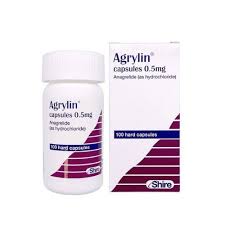
The indications for anagrelide are not limited to myeloproliferative disorders but also include the management of other thrombohemorrhagic events due to thrombocytosis. Its main function is to inhibit the production of platelets in the blood, thereby reducing the risk of thrombosis. Anagrelide is different from other antiplatelet drugs (such as aspirin, clopidogrel) in that it effectively reduces platelet counts by directly acting on the platelet production process, especially by reducing the number of platelet precursor cells.
Because abnormally elevated platelet counts can cause a series of complex blood circulation problems, anagrelide can not only alleviate symptoms caused by blood clots, but can also help reduce the risk of bleeding caused by high platelets. Therefore, anagrelide is mainly used clinically in patients with thrombocythemia caused by myeloproliferative tumors, especially those with a history of thrombosis or those at high risk.
Reference materials:https://go.drugbank.com/drugs/DB00261
[ 免责声明 ] 本页面内容来自公开渠道(如FDA官网、Drugs官网、原研药厂官网等),仅供持有医疗专业资质的人员用于医学药学研究参考,不构成任何治疗建议或药品推荐。所涉药品可能未在中国大陆获批上市,不适用于中国境内销售和使用。如需治疗,请咨询正规医疗机构。本站不提供药品销售或代购服务。


