
.jpeg)
Bezutivan combined with pembrolizumab and lenvatinib shows potential in advanced clear cell renal cell carcinoma
Based on the results of sub-study 3A of the Phase 1/2 KEYMAKER-U03 trial (NCT04626479) presented at ESMO 2025, compared with multiple other pembrolizumab (pembrolizumab) The efficacy outcomes of patients with advanced clear cell renal cell carcinoma (ccRCC) using bestivan (Welireg) combined with pembrolizumab and lenvatinib/lenvatinib (Lenvatinib) have improved compared to combination therapies.
First-line triple therapy adds a new mechanism of action to standard triple therapy, which may be a promising approach for the treatment of advanced clear cell renal cell carcinoma, potent and selectiveHIF-2α inhibitors< /span>Bestivan is an approach to treat advanced renal cell carcinoma prior to anti PD-(L1) and VEGFR-TKI therapy and may be a very suitable candidate for first-line novel triple therapy.
For Substudy 3A (NCT04626479) of the KEYMAKER-U03 umbrella phase 1/2 trial, investigators sought to evaluate a novel pembrolizumab-based regimen as a first-line treatment for advanced ccRCC. This study employed an adaptive design in which experimental arms were added and/or deactivated on a rolling basis along with a continuously enrolled reference arm. Each experimental arm has a safety lead-in phase of 10 patients.
Patients with locally advanced or metastatic ccRCC confirmed by RECIST v1.1 measurable histology, who have not received prior systemic treatment for advanced RCC and have a KPS score of at least 70% are eligible to participate in this study. After the safety induction phase, the study entered the randomization phase. During this phase, patients were randomly assigned to 2:1 to 1 of 5 groups.
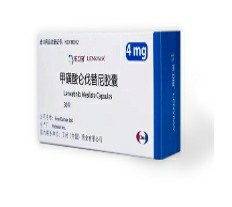
Cohort 1 included favezelimab/pembrolizumab 800 mg/200 mg intravenously every 3 weeks in combination with lenvatinib 20 mg orally daily. Cohort 2 included the quavonlimab/pembrolizumab combination at 200/200 mg intravenously every 3 weeks, plus 120 mg of bezotivan orally administered daily. No.Arm 3 included quavonlimab/pembrolizumab 25 mg/400 mg intravenously every 6 weeks, plus lenvatinib 20 mg orally once daily. Group 4 included 120 mg of bezotivan taken orally once daily, 400 mg of pembrolizumab intravenously every 6 weeks, and 20 mg of lenvatinib taken once daily. A concurrent reference arm included pembrolizumab 400 mg intravenously every 6 weeks plus lenvatinib 20 mg orally once daily.
The primary endpoints areRECIST v1.1 overall response rate (ORR) as measured by blinded independent central review (BICR) and safety. Secondary endpoints include duration of response (DOR) and progression-free survival in RECIST v1.1 and BICR, as well as overall survival (OS). The ORR reported by Suarez Rodriguez is as follows:
•Group 1: Median follow-up time was 39.2 months (range, 28.8-44.6 months), ORR was 62.7% (95% CI: 48.1-75.9).
•Group 2: Median follow-up was 16.4 months (range 11.8-23.4 months), ORR was 42.5% (95% CI: 31.5-54.1).
•Group 3: Median follow-up time was 22.1 months (range, 13.5-40.6 months), ORR was 71.3% (95% CI: 60.0-80.8).
•Group 4: Median follow-up time was 23.4 months (range 14.1-41.0 months), ORR was 77.5% (95% CI: 66.8-86.1).
•Reference group: median follow-up time was 21.2 months (range 11.9-44.4 months), ORR was 80.6% (95%CI: 68.6-89.6).
Across each group, complete responses were observed in 5 (9.8%), 4 (5.0%), 5 (6.3%), 10 (12.5%), and 4 (6.5%) patients, respectively.
At In group 1, the values u200bu200bof DOR and PFS were similar to those in the reference group. The treatment regimen of Group 2 was found to be no better than the reference group. For Group 3, the median DOR was 25.0 months (range, 2.4-37.1+ months) for Group 3 and 25.6 months (range, 1.4+-27.6 months) for the reference group. In Group 4, "the median duration of response was 33 months compared with 26 months in the reference group." The median progression-free survival in group 4 was 31.8 months (95% confidence interval: 26.3-NR) compared with 20.8 months in the reference group, with a 95% confidence interval of 12.4-29.0 (HR, 0.45, 95% CI: 0.25-0.83). Neither arm touches the OS.
The security of the entire scheme is also discussed. Group 1 had the highest incidence of grade 3 or higher adverse events (AE) (86.9%), followed by group 3 (73.3%), reference group (71.0%), group 4 (70.0%) and group 2 (68.9%). Group 1 had the highest incidence of treatment-related adverse events (37.7%), followed by group 3 (34.4%), group 2 (31.1%), reference group (30.6%), and group 4 (24.4%). Serious treatment-related adverse events were highest in group 1 (36.1%), followed by group 3 (34.4%), reference group (30.6%), group 2 (27.8%), and group 4 (22.2%).
As expected, the most common adverse event observed in the lenvatinib-containing combination arm was hypertension. The most common adverse event seen in combinations containing besetifan is anemia. In summary, the observed efficacy of pembrolizumab galvatinib confirms previous observations with this combination. The combination of bezutivan/pembrolizumab plus lenvatinib and anti-CTLA-4 as first-line therapy resulted in similar overall response rates compared with pembrolizumab/lenvatinib in patients with previously untreated advanced clear cell renal cell carcinoma.
AntiThe response in the LAG-3 and anti-TIGIT groups may not be good. Bezotivan/pembrolizumab + lenvatinib may be associated with a higher proportion of complete responses, longer duration of response, and longer progression-free survival compared with pembrolizumab galvatinib, independent of the other study arms. Bezantivan plus pembrolizumab galvatinib and quavonlimab/pembrolizumab plus pembrolizumab are being evaluated in the Phase 3 LITESPARK-012 study (NCT047367706).
References: Updated onOctober 18, 2025, https://www.onclive.com/view/belzutifan-plus-pembrolizumab-and-lenvatinib-improves-efficacy-in-advanced-clear-cell-rcc
[ 免责声明 ] 本页面内容来自公开渠道(如FDA官网、Drugs官网、原研药厂官网等),仅供持有医疗专业资质的人员用于医学药学研究参考,不构成任何治疗建议或药品推荐。所涉药品可能未在中国大陆获批上市,不适用于中国境内销售和使用。如需治疗,请咨询正规医疗机构。本站不提供药品销售或代购服务。


