
.jpeg)
Analysis of whether long-term use of cabergoline increases the risk of ovarian cancer
Current research and clinical data do not show a significant association between cabergoline and ovarian cancer risk. Multiple long-term follow-up studies have shown that the incidence of malignant tumors of the ovary and other reproductive organs in patients with hyperprolactinemia treated with cabergoline for months to years is no higher than that in the general population. Even with long-term use, most patients mainly experience mild side effects, such as hypotension, dizziness, nausea, or mild heart valve thickening, while serious malignant events are extremely rare. Therefore, from the available evidence, there is no clear cause-and-effect relationship between long-term cabergoline use and an increased risk of ovarian cancer.
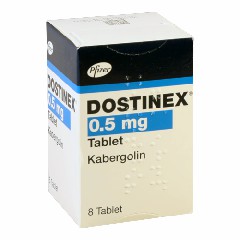
Overall, long-term cabergoline treatment for hyperprolactinemia or prolactinoma has not been shown to be significantly associated with an increased risk of ovarian cancer in clinical studies. Through standardized dosage use, regular serum prolactin and imaging monitoring, patients can effectively control the symptoms of hyperprolactinemia and minimize potential health risks. Doctors will comprehensively evaluate the safety of continued medication based on individual risks, treatment duration, and past medical history to ensure the effectiveness and safety of long-term treatment.
Reference: https://www.ema.europa.eu/en/homepage
[ 免责声明 ] 本页面内容来自公开渠道(如FDA官网、Drugs官网、原研药厂官网等),仅供持有医疗专业资质的人员用于医学药学研究参考,不构成任何治疗建议或药品推荐。所涉药品可能未在中国大陆获批上市,不适用于中国境内销售和使用。如需治疗,请咨询正规医疗机构。本站不提供药品销售或代购服务。


