
.jpeg)
Therapeutic effect of Midostaurin in patients with myelodysplastic syndrome
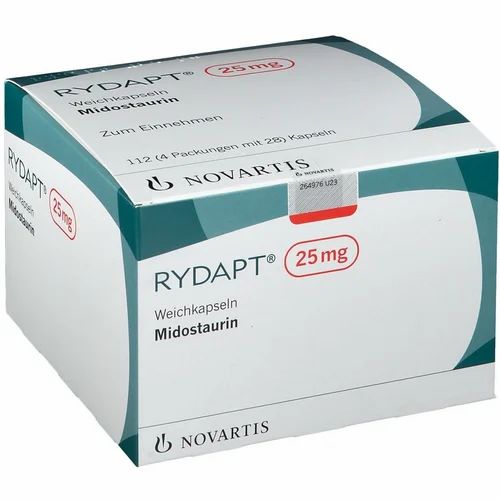
Midostaurin is a multi-target tyrosine kinase inhibitor that mainly targets FLT3, KIT, PDGFR and other signaling pathways. Its core application was originally focused on FLT3 Mutated acute myeloid leukemia (AML) and mastocytosis (SM). In recent years, with the improvement of molecular typing technology, studies have found that some patients with myelodysplastic syndrome (MDS) also have abnormalities in related activation signaling pathways, especially MDS with abnormal FLT3 signal, high risk of progression, or tendency to transform into AML group, drawing attention to the potential efficacy of midostaurin in this population. Although it is not a standard approved treatment for MDS , based on existing clinical studies and real-world data, midostaurin has shown quantifiable biological activity in certain types of MDS , which can help inhibit disease progression, reduce clonal expansion, accelerate the reversal of ineffective hematopoietic patterns in the bone marrow, and form additional treatment options for some high-risk patients.
From the perspective of efficacy, midostaurin performs relatively better in patients with FLT3 activation, MDS-EB and those approaching the AML transformation stage. Studies have shown that although FLT3 appears less frequently in MDS , once it exists, it often indicates that the disease is aggressive, has rapid cell proliferation, and has an increased tendency to transform into leukemia. Therefore, the use of midostaurin in such patients can block the abnormal proliferation of myeloid precursor cells by inhibiting FLT3 related signals, so that bone marrow hematopoiesis tends to be relatively stable. Some studies have reported that in patients with MDS accompanied by FLT3-ITD , the use of azacitidine and decitabine alone or in combination with low-dose azacitidine can lead to varying degrees of improvement in blood conditions, including relief of anemia, reduction in transfusion dependence, and reduction in the proportion of bone marrow blasts. Although the overall response rate is still lower than that of the AML population, this ability to "delay the course of the disease and improve the blood picture" has certain clinical value for patients who progress rapidly or have limited effects of standard treatments. In addition, after combined with HMAs (hypomethylating drugs), the disease stabilization time of some patients was significantly prolonged, ranging from several months to 8–12 months, buying time for possible subsequent hematopoietic stem cell transplantation.
In terms of safety, midostaurin is generally tolerable among MDS patients. However, because the MDS population is generally older, accompanied by anemia and immunosuppression, coupled with the multi-target inhibitory mechanism of the drug itself, more stringent monitoring is required. The most common adverse reactions include nausea, vomiting, diarrhea, fatigue, mild rash, etc., most of which can be improved through supportive treatment. What needs to be noted is the possibility of aggravation of myelosuppression, especially when combined with azacitidine or decitabine, neutrophils may decrease, thrombocytopenia may aggravate, etc. Therefore, CBC needs to be closely monitored and the dose adjusted or delayed according to the situation. In addition, midostaurin may cause a slight prolongation of the QT interval or affect liver enzyme levels. Therefore, electrocardiogram and liver function tests should be performed regularly during treatment. Compared with traditional chemotherapy, the toxicity of midostaurin is generally milder, but it still requires individualized management in the "vulnerable group" of MDS patients.
Overall, although midostaurin has not yet become a routine treatment for MDS , it has shown certain therapeutic potential in specific molecular subtypes, bringing more treatment dimensions to patients with high-risk or progressive MDS . Its greatest value lies in: targeting MDS with abnormal FLT3 signal or close to AML transformation, by inhibiting abnormal proliferation pathways to stabilize the bone marrow environment, delay disease progression, and create conditions for subsequent hematopoietic stem cell transplantation or other treatments. With the further deepening of accurate classification, if more studies in the future confirm the effective population, optimal combination, appropriate dose and long-term benefits of midostaurin in MDS , it may promote its inclusion in a more clear MDS treatment strategy. At this stage, under the guidance of experienced hematologists and through molecular testing to screen suitable groups, midostaurin can still play an important supplementary role in special MDS groups, bringing longer disease stability and better quality of life to these patients.
Reference materials:https://www.cancer.gov/about-cancer
[ 免责声明 ] 本页面内容来自公开渠道(如FDA官网、Drugs官网、原研药厂官网等),仅供持有医疗专业资质的人员用于医学药学研究参考,不构成任何治疗建议或药品推荐。所涉药品可能未在中国大陆获批上市,不适用于中国境内销售和使用。如需治疗,请咨询正规医疗机构。本站不提供药品销售或代购服务。


