
.jpeg)
What is Roprostim (Huierning) and its efficacy in treating thrombocytopenia?
Romiplostim is a second-generation thrombopoietin receptor agonist (TPO-RA), which is used to stimulate bone marrow to produce platelets. It is mainly suitable for patients with chronic immune thrombocytopenia (ITP) who have insufficient response to glucocorticoids, immunoglobulins or splenectomy. Compared with traditional immunosuppressive treatment, loplastin does not suppress the immune system, but directly promotes platelet production, so it can increase platelet levels from the "hematopoietic source". It is administered via weekly subcutaneous injection, and the dose is dynamically adjusted based on platelet count, which can increase platelets in a shorter period of time, allowing patients to reduce the risk of bleeding and improve quality of life.
In terms of efficacy, multiple clinical trials have confirmed that Roprostim has a high response rate for chronic ITP and can effectively increase platelets in approximately 70%–90% of patients. Studies have shown that Roprostim can not only increase platelets, but also reduce the incidence of bleeding events and reduce patients' dependence on hormones, immunosuppressants and other drugs. Many patients who have not responded well to other treatments experience significant improvement with roproprimostat, including patients with severe ITP . Its efficacy usually gradually appears 1~2 weeks after starting treatment. After reaching a stable dose, platelet levels can be maintained for a long time, allowing patients to return to a more stable and safe life.
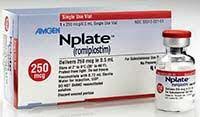
One of the advantages of loplastin is that it is relatively safe for long-term use. Compared with early drugs, it does not increase the risk of infection like traditional platelet transfusions, nor does it cause side effects such as obesity, osteoporosis, and mood changes like hormones. The most common adverse reactions include headache, joint pain, fatigue, etc., which are usually mild and controllable. However, it is still necessary to pay attention to potential risks, such as excessive platelet growth leading to thrombosis, bone marrow reticular fibroplasia (reversible in some patients), and possible rebound decrease in platelets if the drug is stopped suddenly. Therefore, platelet levels need to be monitored weekly during treatment, and the dosage must be gradually adjusted under the guidance of a doctor. Do not change or stop the medication on your own.
Overall, loplastin is currently one of the most effective and mature TPO receptor agonists for the treatment of chronic ITP . It helps patients steadily increase platelets by enhancing their own hematopoietic function, rather than simply treating symptoms. Therefore, it is recommended by international authoritative guidelines as an important second-line treatment option for ITP . For patients with refractory or long-term recurrent bleeding, Roprostim can significantly improve the quality of life and reduce the risk of severe bleeding. With the advancement of more long-term follow-up data and research on combination treatment regimens, loplastin is expected to further improve the treatment experience and disease management effects of ITP patients in the future.
Reference materials:https://www.ema.europa.eu/en/homepage
[ 免责声明 ] 本页面内容来自公开渠道(如FDA官网、Drugs官网、原研药厂官网等),仅供持有医疗专业资质的人员用于医学药学研究参考,不构成任何治疗建议或药品推荐。所涉药品可能未在中国大陆获批上市,不适用于中国境内销售和使用。如需治疗,请咨询正规医疗机构。本站不提供药品销售或代购服务。


