
.jpeg)
Is Osimertinib (Tagrisso) a third-generation targeted drug and its characteristics
Osimertinib is clearly a third-generation EGFR targeted drug. Its core feature is that it can simultaneously inhibit common sensitive mutations (such as exon19 deletion, L858R) and the most critical ones in drug resistance. T790M Mutation. Compared with the first and second generation EGFR-TKIs, osimertinib has a more precise molecular structure and can achieve selective inhibition of mutated EGFR while minimizing the impact on wild-type EGFR. Therefore, the side effects are milder and better tolerated. This characteristic allows osimertinib to be used not only in the second-line treatment after T790M positive progression, but also to become the most recommended first-line regimen in current international guidelines.
In terms of efficacy, osimertinib is widely regarded as the "cornerstone drug" in the treatment of EGFR positive lung cancer. Multiple large-scale clinical trials have shown that it is significantly better than first-generation targeted drugs in terms of disease control rate, PFS (progression-free survival) and OS (overall survival). Especially in first-line treatment, osimertinib can allow patients to achieve longer disease stability and significantly delay the emergence of drug resistance. In addition, it has stronger penetrating ability for brain metastases and can effectively control intracranial lesions, making it a preferred choice for patients with brain metastases.
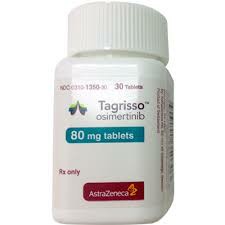
In terms of safety, the overall side effects of osimertinib are mild, with mainly controllable manifestations such as rash, diarrhea, and oral mucosal discomfort. Due to its weak inhibition of wild-type EGFR , skin and gastrointestinal side effects are significantly lower than those of the first generation EGFR-TKI. However, we still need to pay attention to potential serious adverse reactions such as interstitial pneumonia, electrocardiogram QT interval prolongation, and rare myocardial damage. Therefore, patients should regularly monitor pulmonary function, electrocardiogram, and cardiac ultrasound while taking the drug to ensure safety.
Overall, osimertinib has become one of the standard first-line drugs for EGFR mutation-positive advanced lung cancer due to its outstanding mutation coverage, good penetration into the CNS (central nervous system) and better survival benefits. It is also an important treatment option for patients to control the disease in the long term. As research on combination regimens (such as combination chemotherapy and combination anti-vascular drugs) continues to update, osimertinib is expected to play a more critical role in future treatment strategies, bringing patients longer survival and better quality of life.
Reference:https://reference.medscape.com/
[ 免责声明 ] 本页面内容来自公开渠道(如FDA官网、Drugs官网、原研药厂官网等),仅供持有医疗专业资质的人员用于医学药学研究参考,不构成任何治疗建议或药品推荐。所涉药品可能未在中国大陆获批上市,不适用于中国境内销售和使用。如需治疗,请咨询正规医疗机构。本站不提供药品销售或代购服务。


