
.jpeg)
Can renal failure self-heal after taking Valganciclovir for 20 days and suggestions for treatment?
Valganciclovir (Valganciclovir) develops renal failure about 20 days after taking it, which is a serious adverse reaction and is mostly related to renal toxicity, dehydration, electrolyte imbalance caused by the drug, or combination with other nephrotoxic drugs. Once acute kidney injury (AKI) develops, whether it can heal spontaneously depends on the degree of kidney damage, the patient's basic renal function, whether the drug is discontinued in time, and whether medical intervention is performed. Mild to moderate decline in renal function has a chance to recover after stopping the drug and giving rehydration and protective treatment; however, if there is a significant increase in creatinine, decreased urine output or even acute renal failure, immediate medical evaluation is required to avoid delays leading to irreversible damage.
In the face of acute kidney injury caused by valganciclovir, the first step is to immediately stop the drug and conduct professional evaluation, including examination of serum creatinine, urea nitrogen, urine output, urine protein, and electrolytes. Doctors will develop a treatment plan based on the grade of kidney injury, including rehydration to improve renal perfusion, correction of electrolyte imbalance, and avoidance of all nephrotoxic factors. If the patient has previously been taking diuretics, NSAIDs (such as ibuprofen), immunosuppressants, or contrast media, these also need to be treated concurrently or discontinued. In some patients, kidney damage may gradually recover within one to three weeks after intervention, but continued monitoring is required.
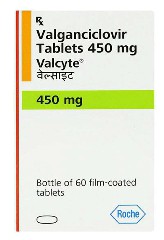
Patients showing signs of kidney failure must not wait to recover on their own and require close medical management. If symptoms such as significantly reduced urine output, edema, nausea, fatigue, and difficulty breathing occur, it indicates that kidney function has been greatly affected. At this time, treatment must be carried out in the hospital. Sometimes short-term dialysis is even required to maintain metabolic balance and protect kidney recovery. Especially the elderly, patients with chronic kidney disease, and patients with autoimmune diseases have poor kidney reserve capacity and need active treatment. They cannot rely on natural improvement.
In general, renal failure caused by Vancevir does not necessarily heal on its own, and most patients require professional treatment to avoid structural damage. It is recommended that patients follow up strictly after stopping the drug and follow the doctor's arrangement to recheck kidney function every 2–3 days until it returns to stability. If antiviral treatment needs to be continued in the future, a specialist should select an alternative drug that is safer for the kidneys and adjust the dose. The most important thing is not to continue taking medication on your own or to wait for kidney function to recover automatically, otherwise the kidney damage will worsen to the point of irreversibility.
Reference:https://reference.medscape.com/
[ 免责声明 ] 本页面内容来自公开渠道(如FDA官网、Drugs官网、原研药厂官网等),仅供持有医疗专业资质的人员用于医学药学研究参考,不构成任何治疗建议或药品推荐。所涉药品可能未在中国大陆获批上市,不适用于中国境内销售和使用。如需治疗,请咨询正规医疗机构。本站不提供药品销售或代购服务。


