
.jpeg)
Detailed description of which diseases and indications Cabergoline is suitable for
Cabergoline is mainly a dopamineD2 receptor agonist. The most common indication is the treatment of hyperprolactinemia, including high prolactin levels caused by prolactinoma and drugs, as well as female menstrual disorders, amenorrhea, infertility and other conditions related to elevated prolactin. It inhibits the secretion of prolactin from the pituitary gland and restores abnormally elevated prolactin to normal, thus improving symptoms such as galactorrhea, irregular menstruation, low sexual function and infertility. For patients with prolactinoma, cabergoline can further reduce tumor volume and is one of the first-line drugs recommended by international guidelines. It has stable efficacy and good tolerance.
In addition to the treatment of prolactin-related disorders, cabergoline is also used to treat Parkinson's disease, but the dosage is usually higher and needs to be adjusted on an individual basis. As a dopamine receptor agonist, it can improve motor symptoms such as tremor, myotonia and bradykinesia caused by dopamine deficiency in Parkinson's patients. However, in the field of Parkinson's disease, cabergoline is generally not the first choice. It is more commonly used as adjuvant treatment in the early and mid-term, or used to control symptoms when the efficacy of levodopa fluctuates significantly. However, it should be noted that long-term use of high doses may bring about the risk of heart valve fibrosis, so it must be used under strict monitoring.
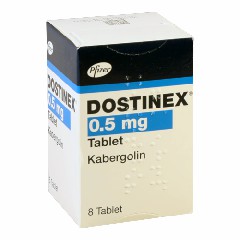
Cabergoline also has some rare but recognized indications, such as postpartum lactation suppression. In some special circumstances, such as when breastfeeding is not recommended or impossible, breast tenderness is significant, or medical termination of lactation is required, short-term use of cabergoline can quickly reduce prolactin levels and thereby stop lactation. This use generally uses a single or short-term medication and does not require long-term maintenance like the treatment of prolactinoma. However, patients with postpartum depression, pregnancy-induced hypertension, or severe cardiovascular disease should use it with caution and follow medical advice to assess the risks.
Overall, cabergoline's indications include core applications such as hyperprolactinemia and prolactinoma, as well as special applications such as Parkinson's disease treatment and postpartum lactation suppression. Its advantages include long-term effect, rapid onset of action, and relatively mild side effects. However, it still needs to be used under the guidance of a doctor, especially during long-term treatment, attention must be paid to cardiovascular status, mental status, and drug tolerance. The dosage, treatment duration, and monitoring indicators for different indications are significantly different. Patients should conduct a comprehensive evaluation before taking the medication to ensure the best efficacy and safety.
Reference materials:https://www.nlm.nih.gov/
[ 免责声明 ] 本页面内容来自公开渠道(如FDA官网、Drugs官网、原研药厂官网等),仅供持有医疗专业资质的人员用于医学药学研究参考,不构成任何治疗建议或药品推荐。所涉药品可能未在中国大陆获批上市,不适用于中国境内销售和使用。如需治疗,请咨询正规医疗机构。本站不提供药品销售或代购服务。


