
.jpeg)
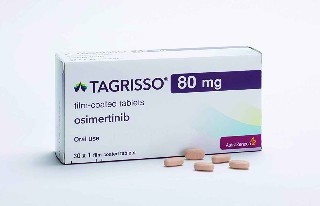
How long should Osimertinib (Tarisso) be taken for the best effect and treatment schedule?
Osimertinib, as a third-generation EGFR-TKI, is currently the first- and second-line standard regimen for the treatment of EGFR mutation-positive non-small cell lung cancer (especially T790M mutation). There are clear clinical rules for its efficacy and treatment schedule. Usually, within about 2–4 weeks of taking the drug, most patients will begin to experience early treatment responses, such as reduced coughing, relief of chest tightness, improvement in physical strength, and imaging may also show a reduction in tumor density or a slight reduction in size. However, for patients with rapid progression or large tumor burden, the early effect may be more obvious, so doctors generally recommend conducting the first review about 4 weeks after taking the drug.
The best early and mid-term efficacy of osimertinib is the most stable when the treatment is continued for about 6–12 weeks. The tumor shrinkage rate, improvement of related pulmonary symptoms, and improvement of systemic status often reach a peak at this stage. Objective response (ORR) is usually observed on imaging, such as significant tumor shrinkage or substantial reduction in lesion density. This stage is also an important node for clinical judgment of whether the drug is effective and whether to continue treatment. If the efficacy is clear, the original dose will usually be maintained.
Long-term effects are usually most stable during 6 months to 1 years of continuous treatment. The median progression-free survival (PFS) of osimertinib can reach more than 18 months in first-line treatment, and most patients can achieve sustained disease control by taking the drug regularly. In order to ensure long-term stability, patients need to regularly review chest CT, liver and kidney function, and heart function (such as electrocardiogram and cardiac ultrasound) to detect potential signs of drug resistance or adverse drug reactions in a timely manner.
In terms of whether to discontinue the drug, osimertinib is a "continuous medication" targeted drug. That is, as long as the disease does not progress, patients usually need to take it for a long time to maintain a stable state and prolong survival. At present, clinical practice does not recommend stopping the drug without authorization after achieving the "best effect" because the risk of tumor recurrence or progression after stopping the drug is extremely high. Only when it is clear that drug resistance, adverse reactions are unacceptable, or the treatment regimen needs to be changed, will the doctor recommend adjusting or changing the treatment. Through scientific treatment schedule and regular monitoring, most patients can obtain the best long-term clinical benefit from osimertinib.
Reference materials:https://www.drugs.com/
[ 免责声明 ] 本页面内容来自公开渠道(如FDA官网、Drugs官网、原研药厂官网等),仅供持有医疗专业资质的人员用于医学药学研究参考,不构成任何治疗建议或药品推荐。所涉药品可能未在中国大陆获批上市,不适用于中国境内销售和使用。如需治疗,请咨询正规医疗机构。本站不提供药品销售或代购服务。


