
.jpeg)
Safety and risk assessment of long-term use of Valganciclovir
Valganciclovir (Valganciclovir) is a core antiviral drug used to prevent and treat cytomegalovirus (CMV) infection. It is especially commonly used to treat organ transplant patients, HIV immunosuppressors, and premature infants CMV infection treatment. Although the efficacy of the drug is accurate, long-term use brings certain risks. Therefore, it is necessary to comprehensively evaluate its safety, possible adverse reactions, and long-term management strategies to ensure maximum efficacy and minimize risks.
First of all, the most important concern with long-term use of Vancevi is the risk of hematological toxicity. While valganciclovir inhibits virus DNA replication, it also affects the body's bone marrow hematopoietic function. Therefore, patients who take it for a long time often have bone marrow suppression symptoms such as neutropenia, anemia, and thrombocytopenia. For people with low immunity or organ transplants, this kind of suppression is more likely to occur and is more serious, which will increase the risk of complications such as infection and bleeding. Long-term safe use requires regular blood routine monitoring. It is usually recommended to establish baseline indicators before treatment and monitor once a week to every two weeks during medication. If there is a significant decrease, measures such as dose reduction, drug withdrawal, bone marrow stimulation drug supplementation, and anti-infection prevention can be taken. For some patients with poor bone marrow reserves, long-term medication must be taken with extreme caution, and other antiviral regimens need to be replaced if necessary.
Secondly, renal function impairment is another major safety risk associated with long-term use of Vancevi. Valganciclovir is mainly excreted by the kidneys, and the blood concentration of the drug is closely related to renal function. Therefore, when renal function declines, it is easy for blood concentration to accumulate, further aggravating toxic reactions. During long-term use, if the patient is combined with factors such as advanced age, hypertension, diabetes, or the use of calcineurin inhibitors (such as cyclosporine, tacrolimus) after transplantation, it is more likely to lead to deterioration of renal function. In terms of safety management, serum creatinine and eGFR should be monitored regularly, and the dose should be adjusted according to renal function; at the same time, avoid combination with other nephrotoxic drugs, including aminoglycoside antibiotics, nonsteroidal anti-inflammatory drugs (NSAIDs), etc. Maintaining good fluid intake and blood pressure control can also help reduce the risk of kidney damage. If continued renal function deterioration occurs, continued treatment must be reassessed.
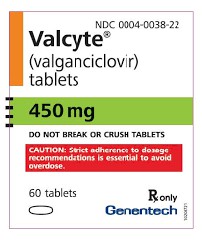
Third, long-term use of Vancevir may increase the risk of abnormal liver function and gastrointestinal discomfort. Some patients will experience hepatotoxicity manifestations such as elevated ALT, AST, and abnormal bilirubin, which are related to drug metabolism pressure and virus clearance process. Mild liver enzyme elevations can usually be continued with medication and increased monitoring, but if significant elevations or jaundice occur, treatment needs to be suspended or adjusted. Gastrointestinal reactions such as nausea, vomiting, loss of appetite, diarrhea, etc. are also common, and long-term persistence may lead to weight loss and malnutrition. In this regard, symptoms should be alleviated by taking medication with meals, using gastrointestinal protective drugs, and improving dietary structure. A very small number of patients are at risk of developing pancreatitis after long-term use. Therefore, they need to be vigilant and seek medical attention promptly when they experience persistent upper abdominal pain or vomiting.
Finally, long-term use of valganciclovir requires attention to potential mutagenicity and reproductive toxicity risks. Animal experiments show that the drug may affect germ cells. Although clinical evidence is limited, it is still recommended for patients of childbearing age to take contraceptive measures. Male patients, in particular, need to continue contraception for at least 90 days after stopping the drug to reduce potential risks. In addition, long-term medication may also increase the probability of drug-resistant viruses, making treatment more difficult. Therefore, long-term treatment must be carried out under strict monitoring to avoid unnecessary extension of the treatment course, and virological monitoring must be maintained so that antiviral regimens can be adjusted in a timely manner.
Overall, Vancevir is an antiviral drug with definite efficacy but relatively clear risks. Long-term use needs to be carried out under the guidance of a doctor, and systematic and safe monitoring should be carried out, including blood routine, liver and kidney function, viral load, drug interactions, etc. Through reasonable dose management, individualized treatment course development and timely intervention of adverse reactions, most patients can complete the course of treatment within a safe range, control infection, maximize benefits and reduce drug damage.
Reference materials:https://www.drugs.com/
[ 免责声明 ] 本页面内容来自公开渠道(如FDA官网、Drugs官网、原研药厂官网等),仅供持有医疗专业资质的人员用于医学药学研究参考,不构成任何治疗建议或药品推荐。所涉药品可能未在中国大陆获批上市,不适用于中国境内销售和使用。如需治疗,请咨询正规医疗机构。本站不提供药品销售或代购服务。


