
.jpeg)
Efficacy, side effects and clinical use evaluation of cabergoline
Cabergoline (Cabergoline) is an oral dopamine receptor D2 agonist, widely used in the treatment of prolactinoma (PRLoma) and hyperprolactinemia-related diseases. Its main mechanism of action is to selectively activate dopamine D2 receptors on the surface of pituitary breast cells, inhibit prolactin (PRL) secretion, thereby reducing serum prolactin levels and improving symptoms caused by elevated prolactin, including amenorrhea, galactorrhea, infertility and sexual dysfunction. Compared with bromocriptine, which was used earlier, cabergoline has the advantages of fast onset of action, long half-life, and low dosing frequency (usually 2 times a week or adjusted according to doctor's orders), making it gradually become the drug of choice in clinical applications.
In terms of efficacy, cabergoline can significantly reduce serum prolactin levels and promote the shrinkage of pituitary tumors. Clinical studies have shown that most patients' serum prolactin levels can return to the normal range after continuous use for 4-12 weeks, while tumor shrinkage usually takes 3-6 months or longer to appear. Patients with small prolactinomas shrink more quickly, while medium-to-large or aggressive tumors may require longer-term treatment. Long-term use of cabergoline can also maintain stable serum prolactin levels and significantly improve symptoms caused by high prolactin, thereby improving patients' quality of life and fertility. In addition, the oral dosage of cabergoline is flexible, and doctors can make individual adjustments based on the patient's serum prolactin level and tumor size.
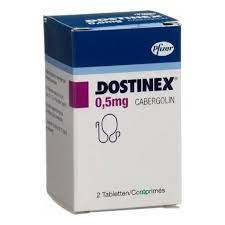
However, cabergoline also has certain adverse reactions and safety risks. Common side effects include headache, dizziness, nausea, vomiting, fatigue, diarrhea and hypotension, etc. Most of them are mild to moderate and can be relieved by reducing the dosage or administering in divided doses in the early stages of taking the drug. Some patients may experience cardiovascular-related adverse reactions, such as palpitations, decreased blood pressure, or edema. Careful monitoring is required, especially in those with cardiovascular disease. Long-term use of high doses or ultra-long-term treatment may increase the risk of heart valve disease. Clinically, it is recommended that patients with long-term use undergo regular cardiac ultrasound examinations to detect valve abnormalities early. In addition, a very small number of patients may develop mental or behavioral changes, such as depression or impulsive behavior, which require prompt attention and intervention.
Clinical use evaluation shows that the efficacy and safety of cabergoline in the treatment of hyperprolactinemia and prolactinoma are widely recognized. Its advantages include oral convenience, rapid onset of action, stable serum prolactin control effect, and high tumor shrinkage rate. Compared with traditional treatments, cabergoline significantly reduces the need for surgery or radiation therapy, providing a non-invasive treatment option for most patients. During the treatment process, serum prolactin levels, tumor changes and adverse reactions need to be strictly monitored. Doctors can adjust the dose based on hematological indicators, imaging examinations and patient tolerance to achieve individualized treatment. In addition, patient education and follow-up management are equally important, including regular review of serum prolactin, heart function and lifestyle guidance to ensure long-term medication safety and sustained efficacy.
In summary, cabergoline, as a highly efficient and safe dopamine receptor agonist, plays an important role in the clinical management of prolactinoma and hyperprolactinemia. Through standardized dose adjustment, reasonable treatment course design and strict follow-up management, cabergoline can not only effectively reduce serum prolactin levels and shrink tumors, but also improve patients' symptoms and quality of life. Although there is a certain risk of adverse reactions, through individualized treatment and regular monitoring, most patients can use it safely for a long time to achieve the dual goals of disease control and symptom relief.
Reference materials:https://www.drugs.com/
[ 免责声明 ] 本页面内容来自公开渠道(如FDA官网、Drugs官网、原研药厂官网等),仅供持有医疗专业资质的人员用于医学药学研究参考,不构成任何治疗建议或药品推荐。所涉药品可能未在中国大陆获批上市,不适用于中国境内销售和使用。如需治疗,请咨询正规医疗机构。本站不提供药品销售或代购服务。


