
.jpeg)
How long does it take to complete a course of Midostaurin?
Midostaurin is an oral multi-target tyrosine kinase inhibitor mainly used to treat patients with FLT3 mutation-positive acute myeloid leukemia (AML) and certain types of systemic mastocytosis. Its mechanism of action is mainly by inhibiting the activity of FLT3 and other tyrosine kinases, blocking leukemia cell signaling pathways, thereby inhibiting leukemia cell proliferation and promoting apoptosis. Midostaurin is usually used in combination with chemotherapy, and its course length is closely related to the patient's disease type, combination regimen, and individual tolerance.
In the treatment regimen of acute myeloid leukemia, midostaurin is usually taken orally 50 mg twice daily during induction chemotherapy for 14 days and continued during the subsequent consolidation treatment phase. The length of a complete course of treatment usually depends on the chemotherapy cycle, which usually includes a combination of induction and consolidation phases. Each course of treatment lasts from about 28 days to several months. After the course of treatment, the treatment effect needs to be evaluated through hematology and bone marrow examination to decide whether to continue subsequent courses of treatment or adjust the plan.
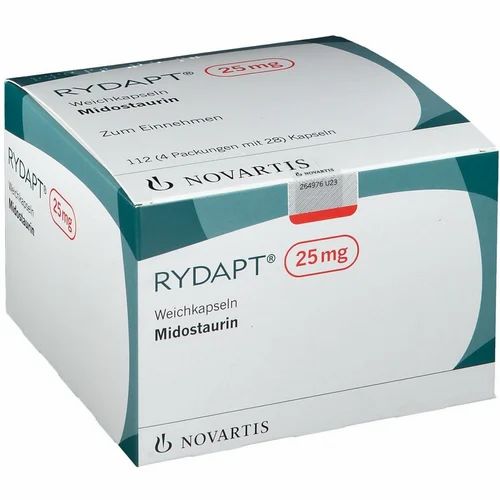
The efficacy of midostaurin is usually observed within 2-4 weeks after the start of treatment. Initial blood picture improvement can be seen, but the full efficacy cannot be evaluated until the entire course of treatment is completed. For example, recovery of blood cell counts, improvement of bone marrow suppression, and reduction in the proportion of FLT3 mutation-positive cells are all important efficacy indicators after the end of the treatment course. Therefore, patients must follow the doctor's instructions to complete the entire course of treatment and cannot interrupt it at will, otherwise the treatment effect and disease control may be affected.
Long-term follow-up and treatment course adjustment are also important aspects of midostaurin treatment. After the course of treatment, doctors will combine hematological indicators, bone marrow assessment and patient tolerance to decide whether to enter maintenance treatment or combine the next cycle of chemotherapy. During the entire treatment process, liver and kidney function, electrocardiogram and blood picture need to be monitored regularly to detect and deal with adverse reactions in a timely manner. By standardizing the course of treatment and scientifically monitoring it, midostaurin can maximize its therapeutic effect, extend the disease remission period, and improve patient survival rate.
Reference materials:https://www.drugs.com/
[ 免责声明 ] 本页面内容来自公开渠道(如FDA官网、Drugs官网、原研药厂官网等),仅供持有医疗专业资质的人员用于医学药学研究参考,不构成任何治疗建议或药品推荐。所涉药品可能未在中国大陆获批上市,不适用于中国境内销售和使用。如需治疗,请咨询正规医疗机构。本站不提供药品销售或代购服务。


