
.jpeg)
Analysis of the duration and occurrence patterns of adverse reactions of Valganciclovir
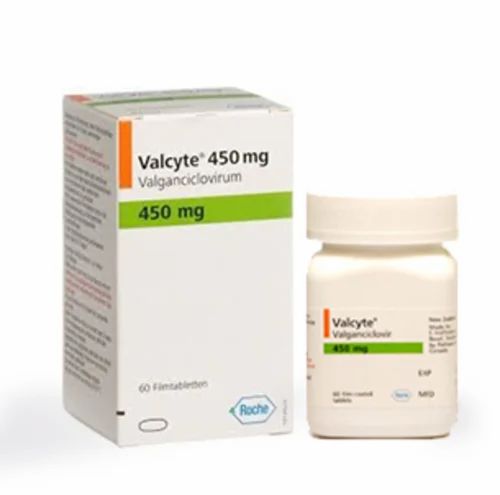
Valganciclovir (Valganciclovir ) is an important oral drug for the treatment and prevention of cytomegalovirus (CMV), and its adverse reactions have certain regularity and persistence. Clinical observation shows that the most common adverse reactions of valganciclovir are mainly concentrated in the blood system, gastrointestinal tract, liver and kidney function. Hematological adverse reactions are mainly neutropenia, thrombocytopenia and anemia, which generally appear within days to weeks of medication. In severe cases, the risk of infection or bleeding may increase.
Gastrointestinal adverse reactions, such as nausea, vomiting, diarrhea and loss of appetite, are often most obvious in the early stages of treatment. As the body adapts to the drug, the symptoms usually gradually relieve after a few days to two weeks. Some patients may need to adjust the medication time, take it with meals, or use symptomatic medications to relieve discomfort. Compared with hematological adverse reactions, gastrointestinal reactions are mostly mild to moderate and can be effectively managed with supportive measures.
Abnormal liver and renal function is another important adverse reaction during the use of valganciclovir, which is mainly manifested by increased serum creatinine, urea, and liver enzyme levels. Such adverse reactions often appear within a few weeks to a month of taking the drug, and are especially likely to occur in patients with renal insufficiency or concurrent use of other nephrotoxic drugs. With regular monitoring of blood and biochemical markers and dosage adjustments based on renal function, safe use can be maintained in most patients without serious complications.
Generally speaking, the adverse reactions of valganciclovir show the pattern of “appearing early and partially relieving over time”. Hematological adverse reactions require long-term monitoring, while gastrointestinal reactions are mostly short-term controllable symptoms. Through regular blood and biochemical monitoring, individualized dose adjustment and symptomatic treatment, most patients can safely and continuously use drugs to achieve effective control of CMV infection while minimizing the risk of adverse reactions.
Reference materials:https://www.drugs.com/
[ 免责声明 ] 本页面内容来自公开渠道(如FDA官网、Drugs官网、原研药厂官网等),仅供持有医疗专业资质的人员用于医学药学研究参考,不构成任何治疗建议或药品推荐。所涉药品可能未在中国大陆获批上市,不适用于中国境内销售和使用。如需治疗,请咨询正规医疗机构。本站不提供药品销售或代购服务。


