
.jpeg)
How long does it take to stop taking Osimertinib (Tarisso) tablets?
Osimertinib (Osimertinib) is a third-generation EGFRtyrosine kinase inhibitor (EGFR-TKI), mainly used to treat non-small cell lung cancer patients with EGFR sensitive mutations and T790M resistant mutations. Its mechanism of action is to inhibit the mutant EGFR signaling pathway, thereby blocking cancer cell proliferation and promoting apoptosis. Osimertinib is usually administered as a once-daily oral long-term maintenance regimen in clinical practice. The length of the treatment course mainly depends on the patient's response to the drug, disease progression, and tolerance.
Under normal circumstances, once osimertinib is started, the treatment course will not be stopped at will in the short term. Clinical trials have shown that most patients need continuous medication to maintain stable blood drug concentrations, thereby ensuring effective tumor suppression. If the drug is stopped early, the drop in blood drug concentration may cause cancer cells to become active again, leading to disease progression or recurrence. Therefore, osimertinib is usually used as a long-term maintenance treatment until drug resistance, serious adverse reactions occur, or the doctor assesses that the treatment plan needs to be adjusted.
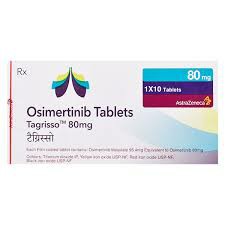
For some patients, doctors may temporarily discontinue the drug or reduce the dose if significant adverse reactions occur, such as severe gastrointestinal symptoms, rash, cardiotoxicity, or interstitial lung disease. In such cases, the purpose of discontinuing the drug is to protect the patient's safety, and at the same time, by adjusting the dose or taking symptomatic measures, the patient can continue to take the drug after restoring the patient's tolerance. Short-term discontinuation of the drug will generally not affect the overall efficacy, but you must strictly follow the doctor's instructions and do not stop the drug on your own.
To sum up, the principle of taking osimertinib is “long-term maintenance and adjustment according to the disease evaluation”. Patients should regularly review imaging and clinical indicators during the course of treatment, and communicate with the doctor about the efficacy and adverse reactions. Only when drug resistance, serious adverse reactions, or treatment options are clarified, can drug discontinuation or dose adjustment be considered to ensure sustained efficacy, delay disease progression to the maximum extent, and at the same time protect patient safety and quality of life.
Reference materials:https://www.drugs.com/
[ 免责声明 ] 本页面内容来自公开渠道(如FDA官网、Drugs官网、原研药厂官网等),仅供持有医疗专业资质的人员用于医学药学研究参考,不构成任何治疗建议或药品推荐。所涉药品可能未在中国大陆获批上市,不适用于中国境内销售和使用。如需治疗,请咨询正规医疗机构。本站不提供药品销售或代购服务。


