
.jpeg)
Analysis of whether osimertinib (Tagrisso) must be continued once taken
As a third-generation EGFR-TKI, Osimertinib is mainly used for patients with EFGR mutation-positive advanced or locally advanced lung cancer. Its treatment principle is usually "continuous treatment until disease progression or intolerance." This means that after starting to take the drug, most patients need long-term maintenance to maintain tumor suppression. Osimertinib blocks the proliferation and survival of cancer cells by inhibiting the mutant EGFR signaling pathway. If treatment is stopped prematurely before stable disease control is achieved, the tumor may grow rapidly again, making it impossible to maintain the pre-treatment efficacy.
However,"Whether it must be taken continuously" also needs to be judged based on the stage of the disease and the specific situation. For patients with advanced or metastatic disease, the effect of osimertinib is a continuous suppressive treatment. Once the drug is withdrawn, the tumor will almost certainly become active again. Therefore, clinical guidelines clearly recommend that treatment should not be stopped arbitrarily unless disease progression (PD) or serious adverse reactions occur. For these patients, osimertinib is not a "curative" therapy, but a "long-term control and survival-prolonging" drug. Therefore, the risk of discontinuation is high and it is not recommended to discontinue on your own.
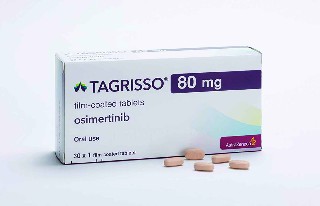
For patients undergoing postoperative adjuvant therapy, the situation is different. The latest research shows that osimertinib is used as postoperative adjuvant treatment for patients with EGFR-positive early-stage lung cancer (usually the course of treatment is 3 years), with the purpose of reducing the risk of recurrence. In such situations, osimertinib is not taken indefinitely, but can be stopped after completion of a fixed course of treatment. If the patient shows no signs of recurrence after completing 3 years of treatment, he or she can stop taking the medication as directed by the doctor without taking it for life.
In general, whether Osimertinib "must be taken all the time" depends on the purpose of treatment: if it is long-term suppressive therapy for advanced lung cancer, most patients need to continue taking it; if it is postoperative adjuvant therapy, the drug can be stopped according to the established course of treatment. In either case, discontinuation of medication must be carried out under strict evaluation by a doctor to avoid disease rebound or symptom worsening due to sudden discontinuation of medication. If patients experience side effects, they should also adjust the dosage or treat symptoms, rather than discontinuing the medication on their own, to ensure maximum treatment effect and safety.
Reference materials:https://www.drugs.com/[ 免责声明 ] 本页面内容来自公开渠道(如FDA官网、Drugs官网、原研药厂官网等),仅供持有医疗专业资质的人员用于医学药学研究参考,不构成任何治疗建议或药品推荐。所涉药品可能未在中国大陆获批上市,不适用于中国境内销售和使用。如需治疗,请咨询正规医疗机构。本站不提供药品销售或代购服务。


