
.jpeg)
Recommendations and risks of long-term use of Fulvestrant/Fuxit
Fulvestrant (Fulvestrant), as an estrogen receptor degrader, is of great value in the treatment of advanced ER+ breast cancer. Its daily or monthly administration can continuously inhibit the estrogen-dependent proliferation of tumor cells. For patients, long-term use of fulvestrant can delay disease progression and improve quality of life, but there are also certain risks of use that require joint evaluation by doctors and patients.
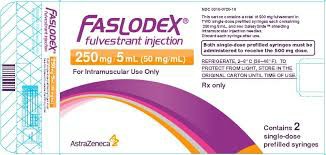
From a pharmacological point of view, fulvestrant has a longer half-life and can be injected once a month to maintain a stable blood concentration, allowing patients to obtain sustained anti-tumor effects. However, long-term use may cause adverse reactions related to estrogen deficiency, such as decreased bone mass, joint and muscle pain, mild fatigue, and injection site reactions. In clinical studies, most side effects can be alleviated through monitoring and adjuvant treatment, but long-term bone density decline requires a combination of calcium supplementation, vitamin D and lifestyle management to prevent.
In addition, long-term drug use may lead to the gradual development of drug resistance in tumors, which is a common problem in the treatment of advanced breast cancer. Therefore, it is recommended that patients undergo regular imaging examinations and hematological evaluations during long-term use of fulvestrant to monitor efficacy and potential toxicity. For patients whose efficacy declines, doctors usually consider combining CDK4/6 inhibitors or switching to other new SERD or targeted drugs to continue the treatment effect.
In general, fulvestrant can be used as a long-term maintenance treatment, but individualized management principles need to be followed. Patients should undergo regular review under the guidance of a professional doctor and pay attention to bone health, liver and kidney function, and systemic symptoms to ensure that the risk of long-term use is minimized while delaying disease progression. This scientific management method can not only maintain drug efficacy, but also help improve patients' quality of life and provide a sustainable anti-tumor strategy for patients with advanced ER+ breast cancer.
Reference materials:https://medlineplus.gov/druginfo/meds/a607031.html
[ 免责声明 ] 本页面内容来自公开渠道(如FDA官网、Drugs官网、原研药厂官网等),仅供持有医疗专业资质的人员用于医学药学研究参考,不构成任何治疗建议或药品推荐。所涉药品可能未在中国大陆获批上市,不适用于中国境内销售和使用。如需治疗,请咨询正规医疗机构。本站不提供药品销售或代购服务。


