
.jpeg)
Side effects of long-term use of Valganciclovir and how to reduce risks
Although long-term use of Valganciclovir (Valganciclovir) plays an important role in preventing and treating cytomegalovirus (CMV) infection, its long-term use may cause a series of adverse reactions, which requires close cooperation between patients and medical personnel for risk management and monitoring. Valganciclovir is an oral prodrug. It is mainly converted into ganciclovir (Ganciclovir) in the body to exert antiviral effects. It prevents CMV replication by inhibiting viral DNA polymerase, thereby effectively controlling viral infection. However, the drug's properties and effects on rapidly dividing cells make it possible to cause a variety of side effects.
The most common adverse reactions involve the hematologic system. Long-term medication can lead to neutropenia, thrombocytopenia and anemia, among which neutropenia is the most common adverse reaction with high clinical risk. Some patients may experience a significant decrease in white blood cells, increasing the risk of infection; a decrease in platelets may lead to bleeding tendencies. To reduce the risk, patients should undergo regular blood routine monitoring during long-term medication. It is usually recommended to monitor once every 1–2 weeks. When the blood picture drops significantly or is accompanied by infection symptoms, the dose can be adjusted appropriately or the drug can be temporarily discontinued. At the same time, auxiliary treatments such as granulocyte growth factor can be used to improve the blood picture.
Abnormal renal function is another important risk with long-term use of valganciclovir. Valganciclovir and its active ingredients are mainly excreted through the kidneys, and the plasma concentration may increase in patients with renal insufficiency, increasing the probability of toxicity. Clinically, renal function needs to be assessed before treatment and the dose adjusted based on glomerular filtration rate (eGFR). During the treatment process, serum creatinine and urea levels should also be regularly monitored, sufficient water should be maintained, and nephrotoxic drugs should be avoided at the same time to reduce the risk of renal function damage.
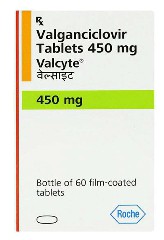
Long-term use may also cause gastrointestinal and nervous system discomfort. Some patients may experience symptoms such as nausea, vomiting, diarrhea, and loss of appetite, which may affect treatment compliance; a few patients may experience headaches, insomnia, or mild disturbance of consciousness. Improvement methods include eating small amounts more frequently, avoiding greasy foods, ensuring rest, and using symptomatic drugs if necessary. Psychological support and patient education can also help improve tolerance and compliance with long-term medication.
In addition, long-term use of valganciclovir requires attention to the potential risk of viral resistance. CMVLong-term exposure to drug selection pressure may lead to genetic mutation leading to drug resistance, especially in patients with low immune function or complex drug use history. Therefore, virological indicators, such as viral load and genetic resistance testing, should be regularly evaluated to detect drug resistance early and adjust treatment options. At the same time, patients should avoid stopping the drug on their own or missing doses to maintain stable blood drug concentrations and reduce the possibility of drug resistance.
In short, taking Vancevi for a long time is effective in controlling CMVIt has significant efficacy in terms of infection, but we need to be alert to the risks of blood system suppression, renal function damage, gastrointestinal and nervous system discomfort, and drug resistance. Through regular hemogram and renal function monitoring, individualized dose adjustment, symptomatic treatment, and patient education and follow-up, the vast majority of adverse reactions can be effectively managed, ensuring antiviral efficacy while minimizing long-term treatment risks and achieving safe and controllable chronic CMV management.
Reference materials:https://www.drugs.com/
[ 免责声明 ] 本页面内容来自公开渠道(如FDA官网、Drugs官网、原研药厂官网等),仅供持有医疗专业资质的人员用于医学药学研究参考,不构成任何治疗建议或药品推荐。所涉药品可能未在中国大陆获批上市,不适用于中国境内销售和使用。如需治疗,请咨询正规医疗机构。本站不提供药品销售或代购服务。


