
.jpeg)
Analysis of the top ten dietary taboos while taking Osimertinib (Tagressa)
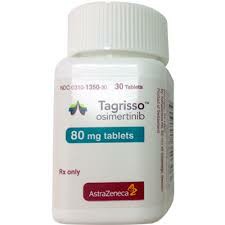
Osimertinib is a third-generation EGFR-TKI (epidermal growth factor receptor tyrosine kinase inhibitor) that is widely used to treat non-small cell lung cancer patients with EGFR sensitive mutations and T790M resistant mutations. As an oral targeted drug, osimertinib is mainly metabolized by the liver CYP3A enzyme system in the body, and dietary factors may affect its pharmacokinetics, efficacy and safety. Therefore, dietary management during medication is crucial to therapeutic effect and side effect control. The following is a detailed analysis of the top ten dietary taboos while taking osimertinib.
First, avoid large amounts of fatty or fried foods. A high-fat diet may delay gastric emptying, thereby affecting the rate of absorption and bioavailability of osimertinib. Although osimertinib can be taken with or without food, high-fat meals may cause fluctuations in blood concentrations, thereby affecting efficacy. In addition, a high-fat diet can easily cause gastrointestinal discomfort, such as nausea, diarrhea, or bloating, which can increase patients' medication discomfort.
Second, the intake of fruit juices such as grapefruit and grapefruit juice that contain strong inhibition of CYP3Aenzyme should be limited. Osimertinib is mainly metabolized by CYP3A. Ingredients in fruits such as grapefruit, grapefruit, and bergamot can significantly inhibit the activity of this enzyme, increase blood concentration, and increase the risk of cardiotoxicity and serious adverse reactions. Similarly, grapefruit, orange and their concentrated juices may also interfere with drug metabolism and should be avoided or strictly controlled during medication.
Third, avoid drinking large amounts of caffeinated beverages such as strong coffee, energy drinks, or strong tea. Although there are few direct interactions between osimertinib and caffeine, caffeine can cause palpitations, insomnia and anxiety, and some patients with osimertinib may experience cardiovascular side effects such as QT interval prolongation and arrhythmia. Excessive caffeine intake will increase the burden on the heart and affect drug tolerance and safety.
Fourth, high-sodium food intake should be limited. Long-term high-sodium diet may lead to water retention or increased blood pressure, and osimertinib may cause hypokalemia or adverse cardiovascular events in some patients. A high-salt diet may also aggravate peripheral edema or heart burden. Therefore, it is recommended to reduce the intake of pickled products, fast food and high-salt snacks, and maintain a light and balanced diet.
Fifth, high-protein supplements or dietary supplements should be consumed with caution. Protein powder or amino acid supplements may alter intestinal drug absorption, and some compound health products contain herbal ingredients that may interfere with the activity of liver CYP3A metabolic enzymes, thus affecting the plasma concentration of osimertinib. Patients should choose nutritional supplements rationally under the guidance of a doctor or pharmacist, and avoid using unverified health products on their own.
Sixth, drinking alcohol and alcoholic beverages should be avoided. Alcohol has potential damage to the liver, and osimertinib is metabolized by the liver in the body. Drinking alcohol may increase the burden on the liver and increase the risk of liver enzyme abnormalities and drug-related toxicity. In addition, alcohol can aggravate drug-induced fatigue, dizziness, and gastrointestinal discomfort, affecting overall tolerance and treatment compliance.
Seventh, high-sugar foods and desserts should be restricted. Some patients taking osimertinib may experience loss of appetite or weight changes. Although a high-sugar diet can alleviate taste needs in the short term, long-term large intake will increase blood sugar fluctuations, obesity risk and liver burden, which may indirectly affect drug metabolism and immune function. Therefore, it is recommended to focus on a low-sugar, fiber-rich diet.
Eighth, spicy and irritating foods such as chili, mustard, pepper, etc. should be avoided. Spicy food may aggravate the gastrointestinal side effects of osimertinib, such as diarrhea, nausea, and heartburn, especially during the initial treatment or dose adjustment period. Maintaining a bland diet can help improve drug tolerance and patient quality of life.
Ninth, the intake of high-volume foods rich in oxalic acid or calcium, such as spinach and large amounts of dairy products, should be reduced. Oxalic acid and calcium ions may form complexes with drugs, which may theoretically affect the absorption of some drugs. Although the absorption of osimertinib is relatively limited by food, it is still recommended to avoid large amounts of simultaneous intake in the pursuit of maximum efficacy.
Tenth, attention should be paid to avoid the use of Chinese herbal medicines or dietary supplements without doctor's approval, such as ginkgo, St. John's wort, etc. Some herbal ingredients may induce or inhibit CYP3A enzyme activity, change the blood concentration of osimertinib, increase the risk of side effects or reduce the efficacy. During the medication period, the doctor should be strictly informed of the use of all medications and health care products to avoid potential drug interactions.
In summary, dietary management while taking osimertinib is crucial to its efficacy and safety. Avoid high-fat, high-salt, high-sugar, spicy, alcoholic, and food and supplements that affect CYP3A metabolism, and maintain a light, balanced diet rich in fruits and vegetables and an appropriate amount of protein, which can help improve drug absorption, reduce side effects, and maintain long-term treatment compliance. Patients should work with their doctors or nutritionists to develop a reasonable diet plan based on individualized conditions to optimize the therapeutic effect of osimertinib.
Reference materials:https://www.drugs.com/
[ 免责声明 ] 本页面内容来自公开渠道(如FDA官网、Drugs官网、原研药厂官网等),仅供持有医疗专业资质的人员用于医学药学研究参考,不构成任何治疗建议或药品推荐。所涉药品可能未在中国大陆获批上市,不适用于中国境内销售和使用。如需治疗,请咨询正规医疗机构。本站不提供药品销售或代购服务。


