
.jpeg)
List of contraindications and side effects of Everolimus/Afinitor
Everolimus (Everolimus), as a targeted therapy drug, has important applications in the treatment of various malignant tumors and certain genetic diseases. However, due to its inhibitory effect on the mTOR signaling pathway, the use of everolimus may bring about a series of contraindications and side effects, and patients need to pay special attention during use.
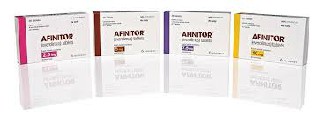
Everolimus has some clear contraindications. The most important thing is that patients with allergic reactions, especially those allergic to everolimus and its excipients, should avoid using this drug. If the patient has a history of allergies, especially if he or she develops allergic symptoms (such as rash, itching, shortness of breath, throat swelling, etc.) to any component of the drug, he should stop using it immediately and seek medical advice. In addition, everolimus should be used with caution in those patients with severe hepatic impairment. The drug is metabolized by the liver. Patients with hepatic insufficiency may not be able to effectively metabolize the drug and increase the concentration of the drug in the body, thereby causing more serious side effects. Therefore, for such patients, everolimus should be avoided as much as possible, or adjustments should be strictly made according to the doctor's recommendations.
The use of everolimus is also contraindicated in pregnant and lactating women. Although the specific effects of everolimus on the fetus are not yet fully understood, given its suppressive effect on the immune system, the use of everolimus during pregnancy may pose potential risks to the fetus. Therefore, use of this drug should be avoided during pregnancy, and its use is not recommended in breastfeeding women to avoid passing the drug to the baby through breast milk.
Everolimus has a variety of side effects, common ones including oral ulcers, rash, nausea, vomiting, diarrhea, etc. Oral ulcers are one of the most common side effects of everolimus and may affect patients' eating and quality of life. A rash may appear on the patient's back, chest, or face. It is usually a mild skin reaction, but some patients may experience more severe skin reactions. Gastrointestinal discomfort symptoms such as nausea and vomiting are usually more common in the early stages of treatment, but may gradually ease as patients adapt. Diarrhea is another common side effect that may require medication adjustments to control.
Reference materials:https://www.drugs.com/everolimus.html
[ 免责声明 ] 本页面内容来自公开渠道(如FDA官网、Drugs官网、原研药厂官网等),仅供持有医疗专业资质的人员用于医学药学研究参考,不构成任何治疗建议或药品推荐。所涉药品可能未在中国大陆获批上市,不适用于中国境内销售和使用。如需治疗,请咨询正规医疗机构。本站不提供药品销售或代购服务。


