
.jpeg)
Osimertinib (Tagrisso) usage, dosage and safe medication guidance
Osimertinib is a third-generation epidermal growth factor receptor (EGFR) tyrosine kinase inhibitor (TKI), mainly used to treat EGFR
The standard usage and dosage is 80 mg orally once daily. It can be taken on an empty stomach or with food. However, in order to reduce gastrointestinal discomfort, it is usually recommended to take it with food and maintain a fixed time every day. While using osimertinib, patients should avoid adjusting the dose on their own and should not stop taking the drug at will. If serious adverse reactions occur, the dosage must be adjusted or the medication must be temporarily discontinued under the guidance of a doctor. For patients with impaired renal or hepatic function, especially those with moderate to severe hepatic dysfunction, they should consider whether to adjust the dose after evaluation by a doctor, and strengthen monitoring of blood drug concentration and liver and kidney function. When patients take other drugs in combination, they should also pay attention to interactions with CYP3A4 inhibitors or inducers. Such drugs may affect the plasma concentration of osimertinib, resulting in reduced efficacy or increased toxicity.
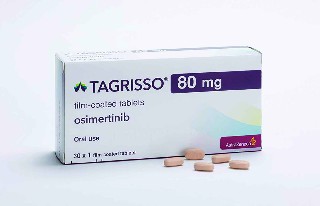
In terms of safety, osimertinib is generally well tolerated, but some common adverse reactions may still occur, including diarrhea, rash, onychomycosis, xeroderma, mild to moderate liver enzyme elevation, etc. Most of these side effects are mild to moderate and can be alleviated by symptomatic treatment, local care, or short-term drug withdrawal. Less common but serious adverse reactions include interstitial lung disease (ILD), QT interval prolongation and abnormal cardiac function. For this reason, patients should regularly review blood routine, liver and kidney function, and electrocardiogram during medication. If abnormal symptoms such as dyspnea, persistent cough, chest pain, or edema occur, they should seek medical attention in time. Doctors usually conduct individualized management based on patient symptoms and examination results to ensure a balance between efficacy and safety.
The management of long-term administration of osimertinib is equally important. Patients need to adhere to fixed doses and regular medication, and maintain good compliance to maintain stable blood drug concentrations and prevent tumor recurrence or drug resistance. Care should be taken when coadministering drugs with drugs known to prolongQT Interval drugs should be used together, and the treatment plan should be adjusted according to the patient’s actual condition. For patients with brain metastases, doctors may evaluate the efficacy in conjunction with imaging follow-up and adjust the dose or combine local therapy if necessary. Overall, osimertinib is a first- or second-line standard treatment for advanced EGFR mutated NSCLC. Through scientific and standardized oral administration, regular monitoring and timely treatment of side effects, osimertinib can provide patients with long-term effective disease control, improve their quality of life and extend their survival.
Reference materials:https://www.drugs.com/
[ 免责声明 ] 本页面内容来自公开渠道(如FDA官网、Drugs官网、原研药厂官网等),仅供持有医疗专业资质的人员用于医学药学研究参考,不构成任何治疗建议或药品推荐。所涉药品可能未在中国大陆获批上市,不适用于中国境内销售和使用。如需治疗,请咨询正规医疗机构。本站不提供药品销售或代购服务。


