
.jpeg)
Valganciclovir Detailed Instructions and Medication Guide
Valganciclovir (Valganciclovir) is an antiviral drug that belongs to the nucleotide analog class. It is mainly used to prevent and treat cytomegalovirus (CMV) infection, especially in patients with low immune function, including organ transplant recipients, HIV infection patients and other immunosuppressed groups. Its mechanism of action is that it is converted into glycinated ganciclovir (Ganciclovir) in the body, inhibiting the activity of viral DNA polymerase, thereby preventing viral replication and achieving antiviral effects.
According to clinical guidelines, Vancevir is mainly used to prevent CMV infection in high-risk transplant patients and to treat active CMV infection. Preventive use is usually started after organ transplantation. The dose is adjusted according to renal function and body surface area. It is usually taken orally once a day. The course of treatment is usually 3 to 6 months. For patients with active CMV infection, the therapeutic dose is usually twice daily for about 3 weeks, and adjusted according to viral load and clinical response. The drug is well absorbed orally, but its bioavailability is slightly lower under fasting conditions, so it is recommended to take it with food to improve absorption efficiency.
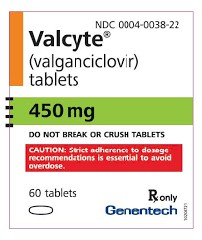
It is necessary to pay close attention to hematology and renal function indicators during the use of Vancevi. Common adverse reactions include thrombocytopenia, leukopenia, anemia and gastrointestinal discomfort such as nausea, diarrhea, abdominal pain, etc. Patients with renal insufficiency need to adjust the dose according to the glomerular filtration rate (eGFR) to avoid serious hematological toxicity caused by drug accumulation. In addition, long-term use of Vancevir may increase the risk of infection and potential reproductive system toxicity. Therefore, patients need to regularly review blood routine, liver and kidney function, and CMV viral load during treatment in order to adjust the medication regimen in a timely manner.
In clinical practice, Vancevir is widely used in the management of CMV infection in transplant patients with good efficacy and safety. Doctors usually develop an individualized medication plan based on the patient's transplant type, immune status, and past infection history. During the treatment process, patients must strictly abide by the doctor's instructions and are not allowed to stop taking the medicine or change the dosage on their own to avoid causingCMVResistance or recurrence. For patients with gastrointestinal discomfort, symptoms can be relieved by taking the medicine in divided doses, taking it after meals, or symptomatic treatment, while maintaining regular follow-up visits to ensure efficacy and safety.
Overall, Vancevir is an effective and safe anti-CMV drug, suitable for prevention and treatment of active infections in high-risk patients. Reasonable dose adjustment, individualized medication and regular monitoring are the keys to ensuring efficacy and reducing the risk of adverse reactions. Under the guidance of doctors, Vancevi can significantly reduce CMV-related complications and improve the clinical outcomes of patients after transplantation or in patients with low immune function, providing an important antiviral treatment option for clinical practice.
Reference materials:https://www.drugs.com/
xa0
[ 免责声明 ] 本页面内容来自公开渠道(如FDA官网、Drugs官网、原研药厂官网等),仅供持有医疗专业资质的人员用于医学药学研究参考,不构成任何治疗建议或药品推荐。所涉药品可能未在中国大陆获批上市,不适用于中国境内销售和使用。如需治疗,请咨询正规医疗机构。本站不提供药品销售或代购服务。


