
.jpeg)
What is cobimetinib? Full analysis of indications, efficacy and side effects
Cobimetinib (trade name Cotellic) is a selective, oral, small molecule MEK inhibitor that is a targeted anti-tumor drug. Its targets are MEK1 and MEK2 in the RAF/MEK/ERK signaling pathway, which can inhibit tumor cell proliferation and promote apoptosis. The RAF/MEK/ERK pathway plays a key role in the occurrence and development of various tumors, especially in melanoma patients carrying BRAF V600 mutations. Abnormal activation of this pathway is the main mechanism for rapid tumor growth and drug resistance. By blocking MEK signaling, cobimetinib can inhibit tumor cell proliferation, reduce metastasis potential, and enhance the efficacy of other targeted drugs. It is an important part of modern precision anti-cancer treatment.
The main indication for cobimetinib is unresectable or metastatic melanoma harboring BRAF V600 mutations, and is usually used in combination with a BRAF inhibitor (such as vemurafenib). Combination treatments have shown significant advantages in clinical trials. II and III key clinical trials such as COBRIM and coBRIM studies have shown that the overall response rate (ORR< /span>) is significantly higher than the BRAF inhibitor alone, reaching about 70%; the median progression-free survival (PFS) is extended to more than 12 months, which is significantly improved compared to single-agent treatment. In addition, this combination regimen has also been used in clinical trials for specific BRAF V600 mutated colorectal cancers, thyroid cancers and other solid tumors. It has also shown certain anti-tumor activity, especially in drug-resistant or relapsed patients, providing a new option for subsequent treatment.
In terms of side effects, cobimetinib is generally tolerable, but its specific toxicity profile still needs to be noted. Common adverse reactions include rash, diarrhea, nausea, vomiting, fatigue, elevated liver enzymes, and retinal toxicity. Some patients may experience photosensitivity reactions or thrombotic events, and a few patients may experience myocardial dysfunction or interstitial lung disease. The incidence of these side effects is slightly higher in combination therapy, but most are mild to moderate and can be alleviated by symptomatic treatment, dose adjustment, or temporary discontinuation. To ensure safe medication, patients should undergo basic cardiac function assessment, liver function and eye examination before using cobimetinib, and blood, liver and kidney function and cardiac indicators should be regularly monitored during treatment.
Real-world patient experience shows that cobimetinib combined with BRAF inhibitors has stable efficacy in the treatment of melanoma, especially in improving tumor burden and prolonging progression-free survival. Patient feedback shows that although combined medication may cause certain side effects, through symptomatic treatment and lifestyle adjustments guided by doctors, most side effects can be controlled without affecting the quality of daily life. In addition, the emergence of combination regimens has effectively delayed the occurrence of drug resistance, allowing some late-stage or relapsed patients to achieve longer disease control, providing a valuable clinical treatment window.
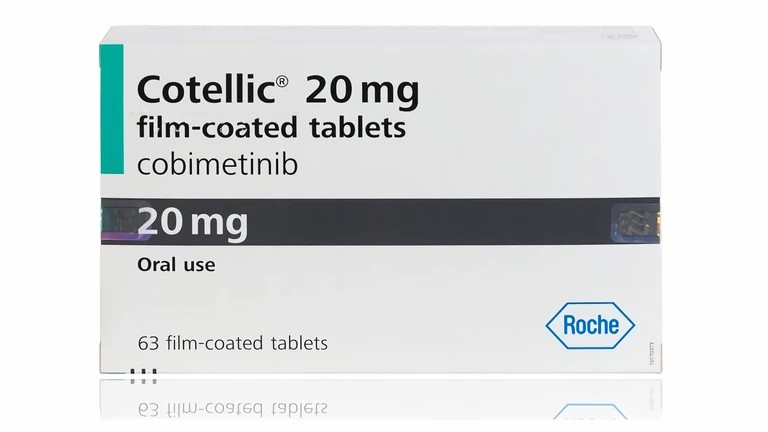
It should be noted that cobimetinib is not yet widely available in China, and its price and medical insurance policies vary by region. Overseas original drugs are sold at a higher price. Each box of 20mg*63 tablets may cost from more than 10,000 yuan to more than 40,000 yuan in different markets. Generic drugs are already on the market in some areas, but the ingredients and efficacy need to be strictly verified. Therefore, when patients consider using cobimetinib, they should obtain it through regular hospitals, pharmacies or clinical trial channels to ensure that the source of the drug is safe and reliable. At the same time, long-term efficacy maintenance and side effect management require multidisciplinary teamwork, including joint monitoring of oncology, ophthalmology, and cardiology, to achieve maximum therapeutic benefit and ensure patient safety.
总体而言,考比替尼作为MEK抑制剂,在靶向BRAF突变肿瘤中显示出显著疗效,尤其在黑色素瘤的联合治疗中表现突出。 By precisely inhibiting the RAF/MEK/ERK signaling pathway, it not only improves the tumor control rate, but also delays the development of drug resistance, providing new treatment options for advanced and relapsed patients. Rational use, close monitoring of side effects, and combined with individualized treatment plans are the keys to ensuring efficacy and safety. It also provides valuable clinical experience for the development of future targeted combination treatment plans.
Reference materials:https://www.drugs.com/
[ 免责声明 ] 本页面内容来自公开渠道(如FDA官网、Drugs官网、原研药厂官网等),仅供持有医疗专业资质的人员用于医学药学研究参考,不构成任何治疗建议或药品推荐。所涉药品可能未在中国大陆获批上市,不适用于中国境内销售和使用。如需治疗,请咨询正规医疗机构。本站不提供药品销售或代购服务。


