
.jpeg)
Risk analysis of whether there will be rebound or side effects after discontinuing Shafinamide Tablets (Sidac)
Safinamide tablets (Safinamide) is an oral drug used to treat Parkinson's disease (PD). It has both reversible monoamine oxidase B (MAO-B) inhibitory effect and glutamate regulatory function. It can improve motor symptoms and delay motor complications caused by dopamine therapy. In clinical practice, patients and their families are often concerned about whether there will be a rebound of symptoms or side effects after stopping the drug. To address this issue, detailed analysis is required from three aspects: pharmacological mechanism, clinical observation and individual patient differences.
First of all, from a pharmacological perspective, safinamide delays dopamine degradation by inhibiting MAO-B while regulating glutamate neurotransmission, thereby improving motor function in patients with Parkinson's disease. Because its effect is reversible and selective, when the patient stops taking the drug, MAO-B activity will gradually return to normal and the dopamine metabolism rate will rebound, which may lead to a temporary exacerbation of Parkinson's symptoms. This rebound phenomenon is mainly manifested as slow movement, increased tremor, or an obvious "on-off" phenomenon, which is especially more likely to occur in long-term high-dose users when the drug is suddenly stopped. However, this rebound is usually a physiological reaction after the drug effect disappears, not a side effect caused by drug toxicity.
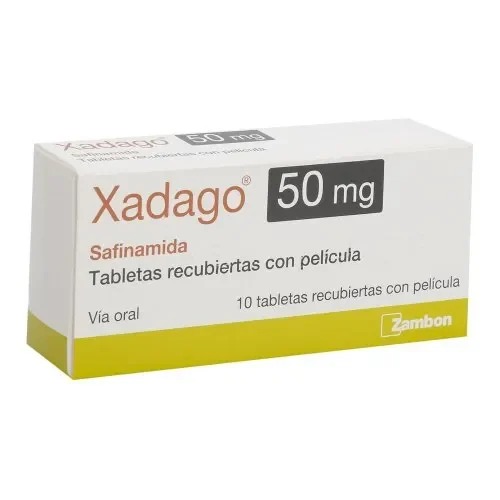
Secondly, clinical observations show that the risk of side effects after discontinuation of safinamine is relatively limited. In most clinical studies, patients did not develop severe drug dependence or severe rebound symptoms during the process of gradually tapering off the drug. However, individual patients may experience side effects such as mild blood pressure fluctuations, anxiety, insomnia, or gastrointestinal discomfort, which are usually related to the discontinuation method, accompanying medications, and the patient's underlying health condition. In order to reduce the risk, doctors usually recommend gradually reducing the dose rather than stopping the drug suddenly, so that the body can slowly adapt to the decrease in drug concentration and reduce the rebound of motor symptoms and discomfort.
In addition, individual patient differences are also important factors affecting drug withdrawal response. Patients who have been using dopamine replacement therapy for a long time or who are accompanied by cognitive impairment or depression may be more likely to experience worsening of motor symptoms or mental and psychological discomfort when discontinuing safinamine. For these patients, a comprehensive evaluation should be conducted before stopping the drug, and a personalized reduction plan should be developed under the guidance of a doctor. At the same time, during the withdrawal period, symptom changes should be closely monitored, and the dosage of other Parkinson's disease drugs should be adjusted if necessary to maintain overall treatment stability.
Overall, a brief rebound in symptoms may occur after discontinuation of safinamide, but the risk of serious side effects is low. Adopting a gradual reduction method, combined with the patient's individualized treatment plan and clinical monitoring, can effectively reduce discomfort and rebound phenomena. Patients and family members should understand the physiological background of drug withdrawal and do not need to worry too much. At the same time, they should maintain communication with their attending doctors to ensure that the drug withdrawal process is safe and smooth, and adjust other treatment drugs when necessary to maintain the overall control effect of Parkinson's disease.
Reference materials:https://www.drugs.com/
[ 免责声明 ] 本页面内容来自公开渠道(如FDA官网、Drugs官网、原研药厂官网等),仅供持有医疗专业资质的人员用于医学药学研究参考,不构成任何治疗建议或药品推荐。所涉药品可能未在中国大陆获批上市,不适用于中国境内销售和使用。如需治疗,请咨询正规医疗机构。本站不提供药品销售或代购服务。


