
.jpeg)
Zongatinib (Zongatinib) usage and dosage and clinical medication regimens for patients at different stages
Zongertinib (Zongertinib) is a new oral small molecule tyrosine kinase inhibitor (TKI) that mainly targets patients with specific gene-driven non-small cell lung cancer (NSCLC) and other solid tumors. The drug controls tumor progression by inhibiting abnormally activated signaling pathways in tumor cells, blocking cell proliferation and promoting apoptosis. Clinical studies have shown that zongertinib can significantly prolong progression-free survival and improve the objective response rate of some patients in patients who have failed previous standard treatments or have specific mutations.
Regarding usage and dosage, zongatinib is an oral preparation. The generally recommended starting dose is 400 mg daily , taken in two divided doses. It is recommended to take it with water. It can be used before or after meals to improve compliance. In well-tolerated patients, physicians may adjust the dose based on clinical response and toxicity, but the total dose usually does not exceed 600 mg daily. If the patient experiences Grade 3 or above adverse reactions, the drug can be temporarily discontinued until the symptoms are relieved to an acceptable level, and then the dose can be reduced or restored to the original dose. During long-term use, liver function, blood routine and electrocardiogram should be monitored regularly to detect potential toxicity in a timely manner.
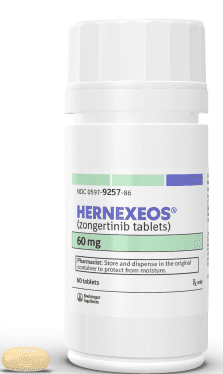
In the clinical plans for patients at different stages, for patients who are new to treatment and have positive gene mutations, they can directly use standard starting doses for targeted therapy, and cooperate with imaging to monitor tumor changes; for patients who have failed chemotherapy or immunotherapy in the past, zongatinib can be used as a second-line or multi-line treatment plan, and the dose may need to be adjusted according to the patient's tolerance, and combined with symptomatic treatment to control side effects. For patients with weak constitution or combined with underlying diseases, the starting dose can be appropriately reduced, and follow-up and laboratory monitoring should be strengthened.
In terms of patient education, Zongertinib should be used under the guidance of professional physicians to ensure that patients understand the medication time, dosage, and possible adverse reactions. Patients should pay attention to regular review of imaging and laboratory indicators, and seek medical treatment promptly when symptoms such as persistent fatigue, abnormal liver function, rash, or heart palpitations occur. Through reasonable dose management and individualized treatment, zongatinib can exert the best efficacy in patients with NSCLC at different stages, while minimizing the risk of toxicity and improving the patient's quality of life.
Reference materials:https://www.drugs.com/
[ 免责声明 ] 本页面内容来自公开渠道(如FDA官网、Drugs官网、原研药厂官网等),仅供持有医疗专业资质的人员用于医学药学研究参考,不构成任何治疗建议或药品推荐。所涉药品可能未在中国大陆获批上市,不适用于中国境内销售和使用。如需治疗,请咨询正规医疗机构。本站不提供药品销售或代购服务。


