
.jpeg)
Things to note and risk tips during the use of Midostaurin
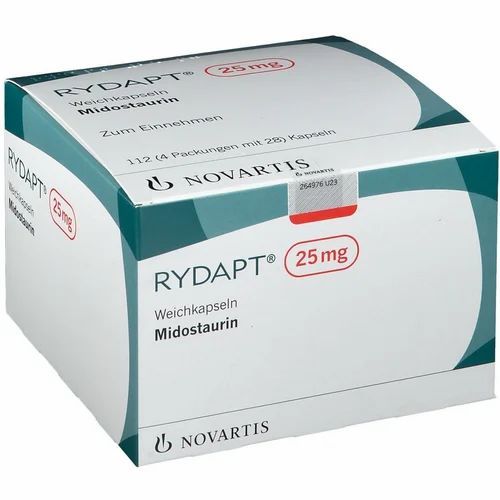
Midostaurin is a multi-target tyrosine kinase inhibitor (multi-kinase inhibitor), mainly by inhibiting FLT3, KIT, PDGFR and other signaling pathways, thereby blocking the growth and proliferation of tumor cells. It is widely used to treat FLT3 mutant acute myeloid leukemia (AML) and advanced systemic mastocytosis (SM). As a new type of targeted drug, midostaurin has shown significant efficacy in improving prognosis, but during use, patients still need to pay special attention to drug-related risks and management points to ensure a balance between maximizing efficacy and safety.
First, patients should undergo comprehensive genetic testing and basic health assessment before starting treatment. The main target of midostaurin is the FLT3 mutation, so the efficacy is most significant only in patients with this mutation. If a patient is FLT3 negative or has other genetic mutations, doctors need to reassess the need for the drug. In addition, the patient's liver and kidney function testing is also extremely critical, because midostaurin is mainly metabolized by the liver and excreted by the kidneys. Abnormal function may lead to drug accumulation, thereby increasing the risk of toxic reactions. For patients with underlying heart disease, an electrocardiogram should also be performed in advance, because midostaurin may cause prolongation of the QT interval, resulting in a potential risk of arrhythmia.
During medication, the most important thing to pay attention to is the monitoring and management of adverse reactions. Common side effects of midostaurin include nausea, vomiting, diarrhea, fatigue, loss of appetite and rash, among which gastrointestinal reactions are the most prominent. To alleviate these symptoms, patients are advised to take it with food to reduce gastrointestinal irritation. Some patients may develop hematological toxicity, such as neutropenia, thrombocytopenia or anemia. Blood routine should be monitored regularly and the dose should be adjusted in a timely manner or the drug should be temporarily discontinued. If it is used in combination with chemotherapy, such as with cytarabine (cytarabine) and daunorubicin (daunorubicin) when treating AML patients, the chemotherapy cycle and dose prescribed by the doctor should be strictly followed to prevent overlapping toxicity. In addition, midostaurin may affect lung function, and a very small number of patients may develop interstitial pneumonia or pulmonary fibrosis. Therefore, if symptoms such as persistent cough and dyspnea occur, you should seek medical attention immediately.
In terms of drug interactions, midostaurin is a CYP3A4 substrate drug and should be avoided during use.CYP3A4Inhibitors (such as ketoconazole, clarithromycin) or inducers (such as rifampin, carbamazepine) are taken at the same time. Otherwise, abnormal drug concentration fluctuations may occur, resulting in decreased efficacy or increased toxicity. Dietarily, patients should avoid grapefruit and its juice because it affects the rate at which the liver metabolizes medications. Female patients should avoid pregnancy while taking the drug and for at least 4 months after stopping the drug, and male patients should also take contraceptive measures, because midostaurin may cause potential teratogenic risks to the fetus. Breastfeeding women are prohibited from taking this drug to prevent the drug from affecting the health of the baby through milk.
Finally, during long-term treatment and follow-up, patients should maintain regular follow-up visits and conduct blood routine, liver and kidney function and ECG monitoring. Since midostaurin may cause delayed toxicity or secondary resistance, doctors will dynamically adjust the treatment plan according to changes in the patient's condition. In some patients, the combination of midostaurin and hematopoietic stem cell transplantation can significantly improve long-term survival, but such regimens need to be carried out under the guidance of specialist doctors. In summary, midostaurin provides a new treatment option for patients with FLT3 mutant AML and mast cell diseases, but its use requires strict compliance with medical instructions, standardized monitoring and timely management of adverse reactions. Reasonable drug management and individualized adjustment are the keys to ensuring that patients achieve maximum efficacy while maintaining a good quality of life.
Reference materials:https://www.drugs.com/
[ 免责声明 ] 本页面内容来自公开渠道(如FDA官网、Drugs官网、原研药厂官网等),仅供持有医疗专业资质的人员用于医学药学研究参考,不构成任何治疗建议或药品推荐。所涉药品可能未在中国大陆获批上市,不适用于中国境内销售和使用。如需治疗,请咨询正规医疗机构。本站不提供药品销售或代购服务。


