
.jpeg)
Analysis of the efficacy of Roprostim (Huierning) in patients with aplastic anemia
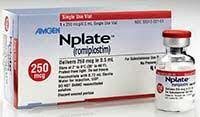
Romiplostim is a recombinant human thrombopoietin (TPO) receptor agonist originally used to treat chronic immune thrombocytopenic purpura (ITP). In recent years, with the deepening of research, the potential efficacy of loplastin in aplastic anemia (Aplastic Anemia, referred to asAA) has gradually attracted attention. The drug improves the patient's platelet count by stimulating the proliferation and differentiation of megakaryocytes in the bone marrow and promoting platelet production. Studies have shown that for patients with aplastic anemia who do not respond well to immunosuppressive treatment, loplastin can significantly increase platelet levels and, in some cases, improve red blood cells and neutrophils.
From the clinical data point of view, multiple studies have verified the effectiveness of Roprostim in the treatment of aplastic anemia. A foreign phase II clinical trial showed that more than 50% of patients with refractory aplastic anemia treated with loplastin experienced an increase in platelet count, and some of them also experienced significant recovery in erythroid and granulocyte cells. The researchers speculate that this "multi-lineage hematopoietic response" is related to the indirect stimulation of hematopoietic stem cells by loplastin. It is worth noting that compared with traditional immunosuppressive therapy, loplastin has a faster onset of action and is well tolerated, which is especially clinically valuable for patients who are long-term dependent on blood transfusions.
In terms of safety, Roprostim is generally well tolerated. Common adverse reactions include headache, fatigue, joint pain and mild myelofibrosis, but most are controllable. For patients with aplastic anemia, doctors need to closely monitor blood routine and bone marrow morphology during treatment to avoid excessive platelet count or aggravation of myelofibrosis due to excessive stimulation. In addition, some patients may experience rebound platelet decline after stopping the drug. Therefore, it is not advisable to stop the drug suddenly and gradually reduce the dose according to the guidance of a doctor.
Overall, the efficacy of roplastin in the treatment of aplastic anemia has been initially confirmed, especially for patients who have poor response to traditional immunosuppressive therapy. Although it has not yet become a first-line standard drug, its good hematopoiesis-promoting effect and low incidence of adverse reactions make it considered a promising auxiliary or alternative treatment option. With the accumulation of more large-scale clinical data, Roprostim is expected to become an important part of the treatment of aplastic anemia in the future, bringing new long-term survival hope to patients.
Reference materials:https://www.drugs.com/
[ 免责声明 ] 本页面内容来自公开渠道(如FDA官网、Drugs官网、原研药厂官网等),仅供持有医疗专业资质的人员用于医学药学研究参考,不构成任何治疗建议或药品推荐。所涉药品可能未在中国大陆获批上市,不适用于中国境内销售和使用。如需治疗,请咨询正规医疗机构。本站不提供药品销售或代购服务。


