
.jpeg)
What are the possible adverse reactions of enzalutamide/enzalutamide (Encotan) and should we pay attention to them?
Enzalutamide/Enzalutamide ( Enzalutamide) is an anti-tumor drug. Although it has significant efficacy in the treatment of prostate cancer, it may also cause some adverse reactions. Understanding these potential adverse reactions and dealing with them promptly are crucial to patient care.
First, fatigue is one of the most common adverse effects of enzalutamide. Patients may feel unusually tired, which affects their ability to perform daily activities and activities. Fatigue usually appears in the early stages of treatment. Patients need to maintain good rest, adjust their lifestyle appropriately, and discuss with their doctor whether the treatment plan needs to be adjusted if necessary.
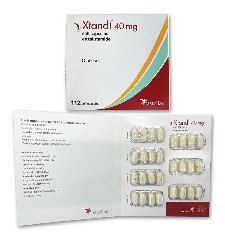
Secondly, enzalutamide may cause neurological symptoms such as dizziness and headache. These symptoms are often related to the drug's effects on the central nervous system. If symptoms are severe, patients should inform their doctor in time, and the doctor may recommend adjusting the drug dosage or performing other therapeutic interventions.
In addition, enzalutamide may cause high blood pressure. Hypertension may increase the patient's cardiovascular burden and increase the risk of complications. Therefore, during treatment, doctors will regularly monitor the patient's blood pressure to ensure that it is within a safe range. If blood pressure is found to be too high, patients may need to use antihypertensive drugs to control blood pressure.
Rash is another common side effect. Patients may experience mild skin rash, especially early in treatment. The rash usually does not cause serious consequences, but if skin symptoms worsen or are accompanied by symptoms such as fever and swelling, patients should seek medical attention promptly.
More serious adverse reactions include liver function damage. Although it is rare, patients taking enzalutamide need to regularly check liver function indicators to ensure that there are no liver abnormalities. Additionally, seizures have been reported in some patients, especially those with a history of previous epilepsy. Therefore, patients should avoid stopping the drug or adjusting the dose on their own during treatment, and any adverse reactions should be reported to the doctor immediately so that appropriate countermeasures can be taken.
Reference materials:https://www.xtandi.com/
[ 免责声明 ] 本页面内容来自公开渠道(如FDA官网、Drugs官网、原研药厂官网等),仅供持有医疗专业资质的人员用于医学药学研究参考,不构成任何治疗建议或药品推荐。所涉药品可能未在中国大陆获批上市,不适用于中国境内销售和使用。如需治疗,请咨询正规医疗机构。本站不提供药品销售或代购服务。


