
.jpeg)
The functions and efficacy of Lisocabtagene maraleucel
Lisocabtagene maraleucel is an innovative chimeric antigen receptor (CAR) T-cell therapy that specifically targets CD19, an antigen expressed on the surface of B cells. This therapy effectively treats B cell-associated lymphoma (non-Hodgkin lymphoma) and leukemia by genetically modifying the patient's own T cells so that they can recognize and attack CD19-expressing cancer cells.
The composition of lisocabeta root includes multiple key components:FMC63 monoclonal antibody single chain variable fragment, IgG4 hinge region, CD28 transmembrane domain, 4-1BB costimulatory domain andCD3ζ activation domain. Among them, FMC63 is an IgG2a mouse monoclonal antibody targeting CD19, which can specifically recognize and bind to the CD19 antigen. The IgG4 hinge region can interact with Fcγ receptors, a mechanism that helps regulate the response of hematopoietic cells and thereby enhances the therapeutic effect.
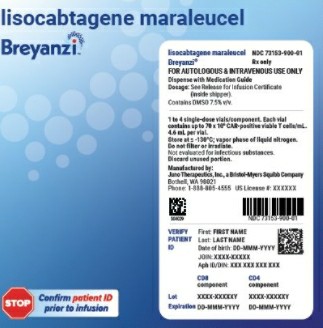
The CD28 transmembrane domain plays an important role in the activation and tolerance of T cells, helping them to recognize and eliminate cancer cells more effectively by enhancing the proliferation and activity of T cells. In addition, the 4-1BB stimulating domain further enhances the activity of cytotoxic T cells and the production of interferon-γ, which is crucial for improving anti-tumor immune responses. The CD3ζ cytoplasmic domain promotes T cell activation and function through interaction with the T cell surface adhesion molecule CD2.
Through the above mechanisms, lisocabeta root can effectively targetB cell-related tumors, especially in the treatment of relapsed and refractory large B-cell lymphoma and other B-cell malignant tumors. After receiving treatment, patients can often observe significant shrinkage of tumor cells, and some patients can even achieve complete remission.
In general, lisocabetagen, as a kind ofCAR-T cell therapy, not only provides new treatment options for patients with B cell-related cancers, but also opens up a new path for the development of personalized treatment and immunotherapy. Although the treatment process may be accompanied by some adverse reactions, its potential in fighting cancer is undoubtedly huge and deserves further clinical application and research.
Reference materials:https://www.breyanzi.com/
[ 免责声明 ] 本页面内容来自公开渠道(如FDA官网、Drugs官网、原研药厂官网等),仅供持有医疗专业资质的人员用于医学药学研究参考,不构成任何治疗建议或药品推荐。所涉药品可能未在中国大陆获批上市,不适用于中国境内销售和使用。如需治疗,请咨询正规医疗机构。本站不提供药品销售或代购服务。


