
.jpeg)
The efficacy and role of voclosporin and the safety and precautions for long-term use
Voclosporin (Voclosporin) is a new generation of calcineurin inhibitor (calcineurin inhibitor, CNI), which belongs to the immunosuppressive drug class and is structurally optimized from the traditional cyclosporine (Cyclosporine). It reduces inflammatory responses and immune-mediated damage by inhibiting TT cell activation. This drug is mainly used clinically to treat systemic lupus erythematosus-related nephritis (lupus nephritis, LN). It is the first oral CNI drug approved by the FDA for this indication. Compared with the early cyclosporine and tacrolimus, cyclosporine is more pharmacokinetically stable, has less renal toxicity, and can be used in combination with glucocorticoids and immunomodulators (such as mycophenolate mofetil) to enhance efficacy and reduce hormone dosage.
First of all, from the perspective of pharmacological mechanism of action, cyclosporine mainly inhibits calcineurin (calcineurincyclophilin >) activity, thereby preventing the activation of Tcellular transcription factor NFAT (nuclear factor of activating Tcell). This process can effectively reduce the production of inflammatory cytokines (such as IL-2, IFN-γ) and reduce the immune response mediated by T cells. For patients with systemic lupus erythematosus (SLE), abnormal activation of the immune system can lead to the deposition of immune complexes in the glomeruli, causing inflammation and proteinuria, and ultimately leading to renal damage. Ciclosporin significantly reduces proteinuria and renal inflammation through dual mechanisms of action - immunosuppression and glomerular barrier protection, thereby delaying disease progression.
Secondly, the clinical efficacy of cyclosporine has been confirmed in multiple international clinical studies. For example, in large phase III clinical trials such as AURORA and AURA-LV, vorciclosporin combined with standard treatment (mycophenolate mofetil + low-dose hormones) can significantly improve the rate of complete renal remission in patients. Research data shows that the complete remission rate of patients taking cyclosporine at week 52 was approximately 40%, while that of the control group was only 23%, showing a clear efficacy advantage. In addition, cyclosporine has a faster onset of action, and some patients are still taking it8A significant decrease in proteinuria can be observed within weeks. Long-term follow-up studies also show that treatment with cyclosporine can reduce the recurrence rate of lupus nephritis, reduce hormone dependence, and help improve quality of life. Because it has fewer drug interactions and less nephrotoxicity, it is also considered a safe upgraded version of traditional cyclosporine.
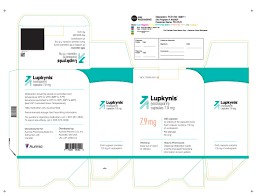
However, the safety of long-term administration of cyclosporine is still a focus of clinical concern. Although the molecular structure of this drug is optimized compared with traditional CNI and its nephrotoxicity is reduced by about 30%, long-term use may still cause a certain degree of renal function damage, especially at high doses or when combined with other nephrotoxic drugs. In addition, cyclosporine may cause metabolic side effects such as increased blood pressure, dyslipidemia, and mild elevation of blood sugar. Individual patients may also experience headache, fatigue, stomach discomfort, gum hyperplasia or hirsutism, etc. Since the drug is metabolized by the hepatic cytochrome P450 3A4 system, interactions may occur when combined with other drugs (such as antifungals, antivirals, and certain antibiotics), resulting in changes in blood drug concentration, thereby affecting efficacy or increasing toxicity. Therefore, patients should avoid increasing or decreasing the dosage of the drug on their own while taking the drug, and regularly monitor changes in blood drug concentration, liver and kidney function, and blood pressure.
Finally, in terms of medication precautions and safety management, cyclosporine should be used under the guidance of a specialist. In the initial treatment phase, the dose needs to be adjusted according to body weight and renal function. It is usually taken orally twice a day with food to improve bioavailability. During treatment, it is recommended to monitor renal function (serum creatinine, urine protein, estimated glomerular filtration rate) every 4–6 weeks, and regularly detect blood pressure, blood sugar, blood lipids and liver function. If the patient experiences an obvious increase in creatinine (more than 30% above the baseline value), sustained hypertension or serious adverse reactions, the drug should be discontinued or the dose should be adjusted in time. In addition, avoid taking it with grapefruit juice, as it inhibits the CYP3A4 metabolic pathway, leading to drug accumulation. There are currently insufficient safety data for pregnant or lactating women, and risks need to be assessed carefully. Long-term users should regularly review fundus and electrocardiogram to prevent potential chronic complications.
Overall, cyclosporine, as a new generation of immunosuppressant, has demonstrated significant efficacy and a good balance of safety in the treatment of systemic lupus erythematosus nephritis. It can not only quickly reduce proteinuria and improve kidney function, but also reduce hormone dosage and disease recurrence rate. However, the drug still has potential nephrotoxicity and metabolic side effects and needs to be used under strict monitoring and individualized management. For patients who require long-term treatment, regular physical examinations, reasonable dosage adjustments, and maintaining good living habits (such as controlling blood pressure, limiting salt, and avoiding alcohol) are equally important. The emergence of cyclosporine provides new hope for patients with refractory lupus nephritis, but scientific and reasonable long-term management is the key to ensuring efficacy and safety.
Reference materials:https://www.drugs.com/
[ 免责声明 ] 本页面内容来自公开渠道(如FDA官网、Drugs官网、原研药厂官网等),仅供持有医疗专业资质的人员用于医学药学研究参考,不构成任何治疗建议或药品推荐。所涉药品可能未在中国大陆获批上市,不适用于中国境内销售和使用。如需治疗,请咨询正规医疗机构。本站不提供药品销售或代购服务。


