
.jpeg)
Detailed description of safety and contraindications for use of Pretomanid in special populations
Pretomanid (Pretomanid) is a new anti-tuberculosis drug that belongs to the nitroimidazole class of antibacterial agents. It is mainly used to treat patients with multidrug-resistant tuberculosis (MDR-TB) or extensively drug-resistant tuberculosis (XDR-TB). It plays an inhibitory and killing role by interfering with the energy metabolism and cell wall synthesis of Mycobacterium tuberculosis. Although this drug has shown good efficacy in the treatment of drug-resistant pulmonary tuberculosis, due to its relatively potent mechanism of action and complex metabolic pathways, it needs to be used with special caution in special groups. The following will explain in detail its safety and contraindications from the aspects of pregnant women, lactating women, children, elderly patients and people with abnormal liver and kidney function.
First of all, pregnant and breastfeeding women should use putomanid with caution. Animal experiments suggest that the drug may have adverse effects on fetal development, including embryotoxicity and teratogenic risks. Safety data in humans are currently limited. Therefore, for women who are pregnant or planning to become pregnant, doctors generally recommend avoiding use or using it only with caution after weighing the benefits and risks. If medication is indeed necessary, it should be done strictly under the guidance of a specialist and effective contraceptive measures should be used to prevent unwanted pregnancy. Breastfeeding women are not recommended to take it because the drug may affect the health of the baby through milk secretion, especially in infants and young children whose livers are immature and difficult to metabolize drug ingredients.
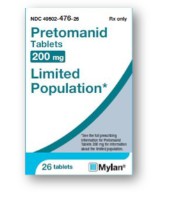
Secondly, children and adolescents should pay special attention to dosage and safety issues when using putomanid. Current clinical research mainly focuses on adult patients with drug-resistant tuberculosis. Safety and efficacy data for people under the age of 18 are insufficient, so routine use in children is generally not recommended. If it is indeed necessary to use it, the dose should be adjusted based on body weight, and liver function, hemogram and adverse drug reactions should be closely monitored under the guidance of an experienced tuberculosis specialist. Children's metabolic systems are not yet fully developed, so there is a higher risk of drug accumulation, which may cause gastrointestinal discomfort, abnormal liver function or neurological symptoms.
Third, elderly patients generally have reduced liver and kidney metabolic functions and reduced drug clearance, so the dose needs to be adjusted appropriately when using putomanid. Clinical observations have found that older people are more likely to suffer from drug-related fatigue, dizziness, loss of appetite and liver function damage. It is recommended to conduct a comprehensive liver and kidney function assessment before treatment, and regularly monitor serum aminotransferases (ALT, AST) and renal function indicators during treatment. If significant abnormalities are found, the dose should be adjusted or the drug discontinued in time. For elderly patients who take long-term concomitant medications, they should also avoid concurrent use with other drugs that may affect liver metabolism (such as rifampicin, isoniazid) to reduce the risk of drug interactions.
Finally, patients with abnormal liver and renal function are one of the main contraindications for putomanid. The drug is mainly metabolized by the liver in the body. If the liver function is significantly damaged, the concentration of the drug in the blood will be too high, thereby increasing the risk of toxicity. Patients with liver disease may aggravate liver damage after use, and may experience adverse reactions such as jaundice, nausea, abdominal distension, or significant increases in liver enzymes; while patients with renal insufficiency may also experience accumulation poisoning due to obstruction of excretion. Therefore, it should be strictly prohibited or used with caution in this group of people, and the dosing interval and dosage should be adjusted under professional supervision.
Overall, although putomanid is a breakthrough drug for the treatment of drug-resistant tuberculosis, it is not suitable for all patients. Special groups of people should conduct adequate risk assessment and laboratory examination before use, strictly follow the doctor's instructions, and avoid adjusting the dosage on their own or randomly combining it with other anti-tuberculosis drugs. Doctors should develop an individualized plan based on the patient's weight, metabolic function, underlying diseases, and medication history, and continue to monitor liver and kidney function and blood picture changes during treatment. For pregnant women, children and patients with liver disease, if alternative drugs exist, priority should be given to safer options. Only under standardized management and close monitoring can the efficacy and safety of putomanid be guaranteed to the greatest extent.
Reference materials:https://www.drugs.com/
[ 免责声明 ] 本页面内容来自公开渠道(如FDA官网、Drugs官网、原研药厂官网等),仅供持有医疗专业资质的人员用于医学药学研究参考,不构成任何治疗建议或药品推荐。所涉药品可能未在中国大陆获批上市,不适用于中国境内销售和使用。如需治疗,请咨询正规医疗机构。本站不提供药品销售或代购服务。


