
.jpeg)
Why do some doctors not recommend taking Pitolisant?
Some doctors do not recommend the use of Pitolisant (Pitolisant), mainly due to drug safety and individual patient differences. Tilolixen is a histamine H3 H3 receptor antagonist/inverse agonist used to treat narcolepsy, which increases arousal by increasing the excitability of the central nervous system. However, this mechanism may also cause neurological side effects, such as insomnia, anxiety, headache or heart palpitations, and some patients may even experience mood swings or irritability. For patients with mental illnesses such as anxiety and depression, these reactions may aggravate the condition, so doctors tend to be more cautious in evaluating whether they are suitable for use.
Another reason is that tilorisen may have a certain impact on the electrical activity of the heart, especially the risk of prolonging the QT interval. Tilolixin may increase the chance of arrhythmia in patients who have arrhythmias, heart disease, or are taking other drugs that prolong the QT interval. Therefore, some doctors believe that the drug is not suitable for patients with cardiovascular system problems. ECG monitoring must be strict before use and avoid use when the risk is higher.
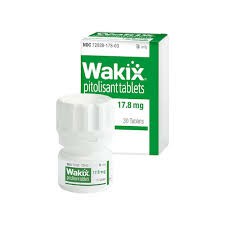
In addition, tilorisen relies on the CYP2D6 and CYP3A4 pathways in liver metabolism. If patients take drugs that inhibit these metabolic enzymes (such as fluoxetine, ketoconazole, etc.) at the same time, it may easily lead to an increase in blood drug concentration and cause side effects. For patients with liver dysfunction or those taking multiple medications over a long period of time, doctors often recommend switching to alternative medications that are more metabolically stable and have fewer drug interactions.
Finally, in clinical practice, it was found that the efficacy of tilolixen is not significant or tolerance occurs in some patients, and the benefit of the drug is limited. Taken together, the reasons why doctors do not recommend the use of tilorisen mainly include the risk of side effects, cardiac safety, drug interactions and differences in efficacy. If it is indeed necessary to use it, patients should take the medication under the guidance of a doctor and regularly monitor the body's response to ensure safety.
Reference materials:https://www.drugs.com/
[ 免责声明 ] 本页面内容来自公开渠道(如FDA官网、Drugs官网、原研药厂官网等),仅供持有医疗专业资质的人员用于医学药学研究参考,不构成任何治疗建议或药品推荐。所涉药品可能未在中国大陆获批上市,不适用于中国境内销售和使用。如需治疗,请咨询正规医疗机构。本站不提供药品销售或代购服务。


