
.jpeg)
Analysis of the most common adverse reactions during treatment with Roprostim (Huierning)
First of all, hematological reactions are one of the most common adverse reactions of loplastin. Because its effect directly stimulates megakaryocytes to produce platelets, some patients may experience platelet fluctuations in the early stages of treatment, with platelet counts being too high or too low. Although high platelet count (>400×10^9/L) rarely causes clinical symptoms, it carries a risk of thrombosis, so platelet levels need to be monitored regularly and the dosage adjusted appropriately. In addition, individual patients may have mild abnormalities in neutrophils or red blood cells, but these are generally rare.
Secondly, bone marrow-related reactions are also a concern for Roprostim. Long-term use of loplastin may lead to the development of myelofibrosis or myeloreticular fibrosis. Although clinical studies have shown that myelofibrosis is reversible in most patients and can be partially or completely recovered after discontinuation of the drug, for patients who rely on loplastin to maintain platelet levels for a long time, bone marrow morphological changes need to be regularly assessed through bone marrow aspiration. Although myelofibrosis is rare, clinical attention should be paid if it is accompanied by anemia, leukopenia, or abnormally elevated platelets.
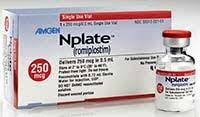
In addition, other adverse reactions include injection site reactions, headache, joint pain, and muscle pain. Roprostim is administered by subcutaneous injection. Mild pain, redness, swelling or itching may occur at the injection site, but this can generally be relieved without special treatment. Headache, joint or muscle pain occurs in some patients, is usually mild or moderate, and can be improved through symptomatic treatment without affecting continued medication.
Finally, it should be noted that the adverse reactions of roplastin are dose-dependent, and the principle of “starting with a low dose and gradually adjusting” should be followed in clinical use. Regular monitoring of platelet count, hemogram and bone marrow status is the key to preventing serious adverse reactions. At the same time, patients should maintain good living habits during treatment to avoid the risk of bleeding and infection. Based on comprehensive clinical trials and real-world data, the adverse reactions of Ropremilast are generally controllable, and the vast majority of patients can safely and effectively maintain platelet levels and achieve the treatment goal of reducing bleeding events.
To sum up, the common adverse reactions of Roprostim include platelet fluctuations, myelofibrosis, infection and immune-related symptoms, as well as injection site reactions and mild to moderate systemic symptoms. Through individualized dose adjustment, regular monitoring of blood and bone marrow indicators, and timely treatment of symptoms, the vast majority of patients can use loprostim within a safe and controllable range, significantly improving platelet levels and clinical prognosis.
Reference: https://www.drugs.com/
[ 免责声明 ] 本页面内容来自公开渠道(如FDA官网、Drugs官网、原研药厂官网等),仅供持有医疗专业资质的人员用于医学药学研究参考,不构成任何治疗建议或药品推荐。所涉药品可能未在中国大陆获批上市,不适用于中国境内销售和使用。如需治疗,请咨询正规医疗机构。本站不提供药品销售或代购服务。


