
.jpeg)
Indications, usage, dosage and precautions of Pretomanid
Pretomanid (Pretomanid) is a new type of anti-tuberculosis drug, which belongs to the nitroimidazole class of antibacterial agents. It mainly targets infections caused by drug-resistant Mycobacterium tuberculosis (Mycobacterium tuberculosis). Its mechanism of action is unique. It can not only kill non-replicating Mycobacterium tuberculosis in a hypoxic environment, but also inhibit actively dividing strains, thus showing significant efficacy in the treatment of drug-resistant tuberculosis. Putomab is particularly suitable for use in combination treatment regimens for multidrug-resistant tuberculosis (MDR-TB) and extensively drug-resistant tuberculosis (XDR-TB) globally, and has become one of the new first-line drugs recommended by the World Health Organization.
Indications
Putomanib is mainly suitable for adult patients with drug-resistant pulmonary tuberculosis, especially those who are not sensitive to first-line anti-tuberculosis drugs such as isoniazid and rifampicin. Typically, putomab is not used as a single agent but in combination with other anti-tuberculosis drugs to enhance efficacy, shorten treatment duration, and reduce the risk of drug resistance. For example, in the Nix-TB trial, putomanid was compared with bedaquiline (Bedaquiline) and linezolid (Linezol id) constitutes a triple regimen for the treatment of refractory MDR-TB and XDR-TB patients, showing a high cure rate and controllable adverse reactions.
Usage and dosage
Putomanid is an oral preparation. The recommended dose for adults is 200mg once a day, usually with food to improve drug absorption and reduce gastrointestinal irritation. The combination treatment program generally lasts for six months, specifically including: an initial 2 months intensive period (used in combination with bedaquiline and linezolid), followed by a 4 month consolidation period (continuing to use the three-drug combination or adjusting according to patient tolerance). You should strictly follow the doctor's instructions during medication, and do not stop medication or change the dosage on your own to avoid the enhancement of drug resistance or recurrence of the disease.
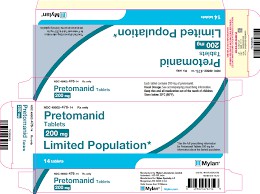
Precautions and safety management
Although putomanid has remarkable efficacy, there are still many safety issues that need to be paid attention to. First, patients should undergo liver function, renal function, and hematology evaluation before treatment, because putomanid may cause elevated liver enzymes, jaundice, and hematological abnormalities. During the course of medication, liver function indicators and blood routine should be followed up every 2 to 4 weeks to detect abnormalities and adjust the dose in a timely manner. Secondly, putomanid can prolong the QT interval, so it should be combined with other Patients taking QTdrugs should be cautious and have regular ECG monitoring. Pregnant and lactating women should not use it. Women of childbearing age should take effective contraceptive measures.
In addition, putomanid can cause neurological and gastrointestinal side effects, including headache, dizziness, nausea, vomiting, and loss of appetite. For patients with renal insufficiency or hepatic insufficiency, the dose needs to be adjusted or the dosing interval extended based on pharmacokinetics. During treatment, patients should pay attention to a balanced diet, maintain adequate rest, and avoid alcohol and drugs that may affect liver function. When using drugs together, you should strictly follow the doctor's prescription to avoid drug interactions that affect the efficacy or increase adverse reactions.
Clinical Management and Patient Education
Patient education is critical during treatment with putomanid. Patients need to understand the complexity of drug-resistant tuberculosis and the importance of treatment, and ensure that they take their medication on time every day and complete the treatment course. Regular follow-up includes symptom assessment, sputum smear and culture monitoring, imaging examination, and laboratory index monitoring, which can promptly evaluate the efficacy and adjust the plan. For patients taking medication for a long time, psychological support and life guidance are equally important to improve compliance and reduce the risk of recurrence.
Pretomanid, as a new generation of anti-drug-resistant tuberculosis drugs, provides new treatment options for MDR-TB and XDR-TB patients with its unique antibacterial mechanism and significant efficacy. By combining it with drugs such as bedaquiline and linezolid, the cure rate can be effectively improved and the treatment course shortened. Standardized medication management, individualized dose adjustment and strict monitoring measures are the keys to ensuring efficacy and safety. Patients should use putomanid under the guidance of professional doctors, with regular follow-up visits and monitoring of indicators to maximize treatment effects and reduce the risk of adverse reactions.
Reference materials:https://www.drugs.com/
[ 免责声明 ] 本页面内容来自公开渠道(如FDA官网、Drugs官网、原研药厂官网等),仅供持有医疗专业资质的人员用于医学药学研究参考,不构成任何治疗建议或药品推荐。所涉药品可能未在中国大陆获批上市,不适用于中国境内销售和使用。如需治疗,请咨询正规医疗机构。本站不提供药品销售或代购服务。


