
.jpeg)
Complete instructions for Tilorisen (Harcos) and interpretation of the latest indications and medication guidelines
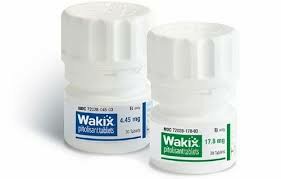
Pitolisant (Pitolisant) is an oral small molecule drug that is a histamine H3 receptor antagonist / inverse agonist. It enhances the release of histamine neurons by selectively inhibiting H3 autoreceptor activity in the central nervous system, thereby promoting arousal and improving attention. Unlike traditional central stimulants, tilorisen modulates the release of endogenous neurotransmitters rather than directly stimulating the nervous system, so it imposes less burden on the cardiovascular system and has unique safety and tolerability characteristics. In recent years, tilorisen was approved in the field of narcolepsy, particularly narcolepsy, becoming one of the first treatments with a non-stimulant mechanism.
Indications and Medication Guide
According to the official instructions, tilorisen is suitable for adults with narcolepsy. The main symptoms include excessive daytime sleepiness and narcolepsy. Medications are designed to improve daytime wakefulness, concentration, and quality of life. The latest medication guidelines recommend that tilorisen be taken orally once a day, with the initial dose usually being 8.9 mg (1 tablet) / days. The recommended taking time is in the morning to reduce the risk of insomnia at night. According to the patient's tolerance and clinical response to the drug, the dose can be gradually increased to 17.8mg to 35.6mg/days, and a stable dose can be maintained for long-term treatment.
Interpretation of pharmacological mechanisms and efficacy
Tilorisen inhibits the negative feedback effect of H3 receptors on histamine neurons through antagonism and inverse agonism of H3 autoreceptors, increases the central release of histamine, and indirectly affects the release of dopamine, norepinephrine and acetylcholine. This mechanism can significantly improve daytime wakefulness while reducing the frequency of narcolepsy attacks. In clinical studies, tilorisen showed significant improvement in Epworth Sleepiness Scale (ESS) scores. Compared with placebo, patients' daytime sleepiness was significantly reduced, and their quality of life and work and study abilities were improved. Compared with traditional central stimulants (such as modafinil or methylphenidate), tilorisen has less effect on blood pressure and heart rate and is better tolerated.
Medication Safety and Monitoring
The overall safety profile of tilorisen is good, but mild to moderate adverse reactions may still occur, including headache, insomnia, nausea, anxiety, and mild gastrointestinal discomfort. In the early stage of medication, it is especially necessary to observe the patient's nighttime sleep and mental state, and adjust the dose if necessary. Tilolixen is metabolized by the liver (mainly by CYP3A4 and Metabolized by the CYP2B6enzyme system), therefore patients taking concomitantly strongCYP3A4 inhibitors or inducers need to adjust their dosage carefully. Patients with hepatic impairment (moderate or severe) may also need to reduce the dose or extend the dosing interval. Although the burden on the heart of patients with cardiovascular disease is small, it is still recommended to perform electrocardiogram and blood pressure monitoring in the early stage.
Combination medication and patient management
In clinical practice, tilolixen can be used in combination with other narcolepsy drugs, such as modafinil or stimulant drugs, but attention should be paid to cumulative stimulant effects and possible sleep disturbances. Patients should maintain a regular schedule while taking the medication and avoid excessive stimulation at night to maximize the daytime awakening effect. Safety and efficacy in pediatric and adolescent patients have not been adequately studied, so use is currently mainly recommended for adults. Long-term follow-up should include assessment of daytime awakenings, documentation of narcolepsy episodes, and quality-of-life assessment to allow dose adjustment based on efficacy.
Tilorisen, as one of the first H3 receptor antagonists / inverse agonists, provides a new non-stimulant mechanism for the treatment of narcolepsy. It improves daytime sleepiness and attention deficit problems by enhancing central histamine release and regulating neurotransmitters, while being well tolerated and requiring little cardiovascular burden. Through standardized dose management, individualized dose adjustment and regular monitoring, tilolixen can significantly improve the daily life and social functions of narcolepsy patients, providing a reliable solution for long-term management of narcolepsy.
Reference materials:https://www.drugs.com/
[ 免责声明 ] 本页面内容来自公开渠道(如FDA官网、Drugs官网、原研药厂官网等),仅供持有医疗专业资质的人员用于医学药学研究参考,不构成任何治疗建议或药品推荐。所涉药品可能未在中国大陆获批上市,不适用于中国境内销售和使用。如需治疗,请咨询正规医疗机构。本站不提供药品销售或代购服务。


