
.jpeg)
Is linezolid a prescription drug? Pay attention when using it
Linezolid (Linezolid) is a prescription drug that belongs to the oxazolidone antibiotics. It is mainly used to treat bacterial infections caused by Gram-positive drug-resistant bacteria, such as methicillin-resistant Staphylococcus aureus (MRSA), vancomycin-resistant enterococci (VRE) and certain multi-drug-resistant streptococcal infections. Because its mechanism of action involves inhibiting bacterial protein synthesis and has significant efficacy against drug-resistant strains, it is strictly managed clinically and needs to be used under the guidance of a doctor. Use without prescription will not only not help treatment, but may also increase the risk of drug resistance and pose a threat to patient health.
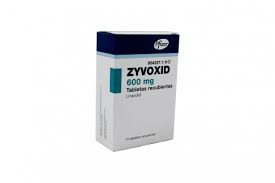
There are several aspects to be aware of when using linezolid. First of all, before starting treatment, patients should clearly understand the type of infection and the nature of the pathogenic bacteria. It is best to conduct bacterial culture and drug sensitivity testing to confirm the applicability and efficacy of the drug. Secondly, linezolid may cause hematological adverse reactions, such as thrombocytopenia, anemia and leukopenia, especially when used for a long time or in high doses. Therefore, regular blood routine monitoring is required to detect abnormalities in time and adjust the dose.
In addition, linezolid has monoamine oxidase inhibitory activity. During use, you should avoid taking certain antidepressants or foods containing high concentrations of tyrosine and phenylalanine to prevent hypertensive crisis or serotonin syndrome. For patients with abnormal liver and kidney function, the dosage and duration of treatment also need to be carefully evaluated to prevent drug accumulation in the body and trigger toxic reactions. Pregnant women, lactating women and children should fully weigh the pros and cons before use and make adjustments under the guidance of a professional doctor.
The administration routes of linezolid include oral and intravenous injection. The oral bioavailability is high, making outpatient and home treatment more convenient. However, the dosage and course of treatment must be strictly followed according to the doctor's prescription. Do not increase or decrease the dosage or stop the drug early, otherwise it may lead to the recurrence of infection or the emergence of drug-resistant strains.
Reference materials:https://go.drugbank.com/drugs/DB00601
[ 免责声明 ] 本页面内容来自公开渠道(如FDA官网、Drugs官网、原研药厂官网等),仅供持有医疗专业资质的人员用于医学药学研究参考,不构成任何治疗建议或药品推荐。所涉药品可能未在中国大陆获批上市,不适用于中国境内销售和使用。如需治疗,请咨询正规医疗机构。本站不提供药品销售或代购服务。


