
.jpeg)
Research results on whether Atrasentan can lower creatinine
As a selective antagonist of endothelin receptor A, atrasentan first attracted attention for its potential value in controlling renal inflammation and proteinuria. As the treatment concept of primary immunoglobulin A nephropathy has gradually transitioned from "controlling blood pressure and proteinuria" to "delaying the deterioration of renal function" in recent years, whether atrasentan can significantly reduce creatinine or improve estimated glomerular filtration rate (eGFR) has become one of the hot research directions. Judging from the current overseas research trends, the main effect of this drug is still focused on reducing proteinuria rather than directly reducing serum creatinine.
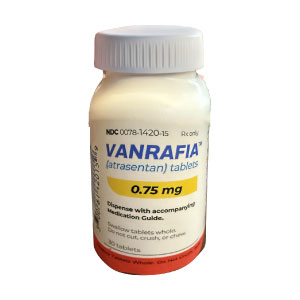
In the pathological process of IgA nephropathy, persistent proteinuria is considered to be a key factor in promoting glomerular damage and accelerating the decline of renal function. Atrasentan reduces glomerular pressure and protein leakage from the source by blocking the inflammation, vasoconstriction and fibrosis pathways mediated by endothelin-1, so it has a theoretical advantage in slowing down the decline of renal function. The results of multiple international studies show that atrasentan is outstanding in significantly reducing proteinuria, but its direct reduction in creatinine levels is not obvious in the short term.
Creatinine, as an indirect indicator of glomerular filtration capacity, is affected by many factors such as muscle mass, diet, and fluctuations in renal function. Therefore, if any drug does not directly affect the filtration rate, the possibility of increasing the decrease in creatinine is limited. Atrasentan is more likely to indirectly delay the annual increase in creatinine by "reducing the burden on the kidneys and slowing down structural damage", rather than causing a significant decrease in creatinine in the short term. In other words, its value lies more in “delaying the progression of renal failure” rather than “immediately lowering creatinine.”
Under long-term use, some overseas follow-up data suggest that atrasentan can improveeGFR decline rate, which is a more reliable indicator to evaluate the renal protection effect. Therefore, when doctors evaluate the efficacy, they pay more attention to changes in the patient's proteinuria level and renal function curve, rather than a single creatinine value.
Reference materials:https://www.vanrafia.com/
[ 免责声明 ] 本页面内容来自公开渠道(如FDA官网、Drugs官网、原研药厂官网等),仅供持有医疗专业资质的人员用于医学药学研究参考,不构成任何治疗建议或药品推荐。所涉药品可能未在中国大陆获批上市,不适用于中国境内销售和使用。如需治疗,请咨询正规医疗机构。本站不提供药品销售或代购服务。


