
.jpeg)
A detailed explanation of whether Anagrelide is a chemotherapy drug
Anagrelide (Anagrelide) is a prescription drug specifically used to control abnormally elevated platelets and is widely used in patients with essential thrombocythemia. Its core function is to reduce excessive platelet counts, thereby reducing the risk of thrombosis and thrombosis-related complications, including circulatory system symptoms such as headache, blurred vision, and numbness of the limbs. It is also used to improve the bleeding tendency of some patients due to excessive platelets. Therefore, anagrelide is often included in long-term management programs for chronic hematological diseases. However, in terms of drug classification, it does not belong to chemotherapy drugs.
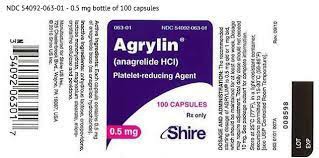
Based on the mechanism of action, traditional chemotherapy drugs mostly belong to the cytotoxic category and achieve killing effects by blocking rapid cell proliferation. However, the targeting pathway of anagrelide is completely different. It mainly blocks the maturation and division of megakaryocytes by inhibiting phosphodiesterase III (PDE-3), preventing the bone marrow from producing too many platelets. Therefore, anagrelide is classified as a "selective platelet production inhibitor" and is a small molecule regulatory drug with a more specific target. It is fundamentally different from cytotoxic chemotherapy at the pharmacological level. This is clearly reflected in international guidelines, European and American drug classifications and medical literature.
Due to different action characteristics, the spectrum of side effects of anagrelide is also different from that of chemotherapy drugs. Signs such as obvious hair loss, a sharp decrease in white blood cells, and severe mucosal damage that are common during chemotherapy are not typical during the use of anagrelide. Instead, they involve more pharmacological reactions in the cardiovascular system, such as heart rate changes, mild gastrointestinal discomfort, or headaches, which are mostly related to the physiological effects of PDE-3. PDE-3. Because of this, it is better suited as a chronic, long-term management medication rather than a short-course, "killer-heavy" treatment.
In terms of positioning, anagrelide is a "control treatment" and not a "curative treatment". Its goal is to maintain platelets within a safe range, reduce the incidence of thrombotic events, and improve patients' daily quality of life.
Reference materials:https://go.drugbank.com/drugs/DB00261
[ 免责声明 ] 本页面内容来自公开渠道(如FDA官网、Drugs官网、原研药厂官网等),仅供持有医疗专业资质的人员用于医学药学研究参考,不构成任何治疗建议或药品推荐。所涉药品可能未在中国大陆获批上市,不适用于中国境内销售和使用。如需治疗,请咨询正规医疗机构。本站不提供药品销售或代购服务。


