
.jpeg)
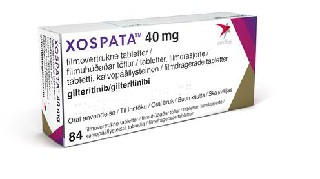
Precautions and daily management guidelines for taking giritinib (segatan)
Gilitinib is an oral, selective FLT3 tyrosine kinase inhibitor, mainly used to treat patients with relapsed or refractory acute myeloid leukemia (AML) with FLT3 mutations. By inhibiting the FLT3 signaling pathway, giritinib can block the proliferation and survival of leukemia cells, delay disease progression, and improve patients' remission rate and survival. Although it is more convenient to take orally, due to the complex condition of AML patients, accompanied by bone marrow suppression and low immune function, rational drug use, scientific management and close follow-up are crucial to ensure the efficacy and safety of the drug.
Medicine administration and dose management are the basis for the safe use of giritinib. The recommended dose is usually 120 mg taken orally once daily, preferably at the same time to maintain stable blood concentration. Patients can take it with food or on an empty stomach, but should avoid taking it with high-fat foods or preparations containing calcium and magnesium, as these may affect drug absorption. If you miss a dose, you should take it as soon as you realize it, but you should not take a double dose at once; if it is close to the time of the next dose, skip the missed dose and continue as planned. For patients with impaired liver and kidney function, doctors may adjust the dose on a case-by-case basis to reduce drug accumulation and potential toxicity.
In terms of hematology and infection risk management, geritinib patients often have varying degrees of myelosuppression, including neutropenia, anemia, and thrombocytopenia. This leaves patients susceptible to infection, bleeding, or fatigue. During the period of medication, routine blood monitoring should be carried out regularly. In the initial stage, the review is usually once a week, and then it can be extended to every two weeks or monthly depending on the condition. If platelets or neutrophils drop significantly, doctors may temporarily stop the drug or adjust the dose, and take measures to prevent infection and bleeding, such as avoiding crowded places, paying attention to hand hygiene and trauma protection.
Heart and liver function monitoring are also important. Giritinib may cause prolongation of the QT interval or abnormal liver function. Therefore, baseline evaluation of electrocardiogram and liver function is required before treatment and is reviewed regularly during treatment. If QT interval prolongation, palpitations, syncope, or significant increase in liver function indicators occurs, you should seek medical attention immediately and adjust the dosage or temporarily discontinue the drug under the guidance of a doctor. At the same time, patients should avoid concurrent use of drugs that affect the QT interval or hepatic metabolism, such as certain antifungals or cardiac rhythm regulating drugs, to reduce the risk of drug interactions.
Lifestyle and daily management are equally critical to the efficacy and safety of giritinib. Patients should ensure a regular schedule, a balanced diet, adequate fluid intake and moderate exercise to enhance physical strength and immunity. Avoid overwork, mental stress and environments with high risk of infection, especially during the period of bone marrow suppression, personal protection should be paid attention to. Regular follow-up and imaging examinations can help evaluate drug efficacy and disease progression, and detect signs of relapse or resistance in a timely manner. Patients and their families should fully understand the possible adverse reactions of the drug, such as nausea, diarrhea, rash, fatigue and hypotension, and contact the doctor in time if symptoms persist or worsen.
In addition, medication compliance education is crucial to the efficacy of giritinib. Patients should strictly follow the doctor's instructions and take medication on time, and are not allowed to reduce, stop medication, or adjust the dose without authorization. Family members and caregivers can help supervise medication and record blood routine and symptom changes so that doctors can make timely judgments and dose adjustments. For patients undergoing long-term treatment, they should pay attention to their mental health and maintain a positive attitude to improve their quality of life and treatment compliance.
In short, giritinib has significant efficacy in the treatment of FLT3mutatedAML, but its efficacy and safety are highly dependent on scientific medication and daily management. Through standardized medication regimens, regular hematology and organ function monitoring, rational life management, and medication education, patients can maximize the therapeutic effect of giritinib while reducing adverse reactions such as bone marrow suppression, infection, and heart and liver toxicity, and achieve safe, effective, and individualized treatment plans.
Reference materials:https://www.drugs.com/
[ 免责声明 ] 本页面内容来自公开渠道(如FDA官网、Drugs官网、原研药厂官网等),仅供持有医疗专业资质的人员用于医学药学研究参考,不构成任何治疗建议或药品推荐。所涉药品可能未在中国大陆获批上市,不适用于中国境内销售和使用。如需治疗,请咨询正规医疗机构。本站不提供药品销售或代购服务。


