
.jpeg)
Analysis of which viral infections and treatment options Valganciclovir is suitable for
Valganciclovir (Valganciclovir) is an oral prodrug that is hydrolyzed in the body and converted into the active drug ganciclovir (Ganciclovir). It mainly blocks viral replication by inhibiting viral DNA polymerase, thereby achieving antiviral effects. Its pharmaceutical properties give it a central role in the treatment of human cytomegalovirus (CMV) infection and also in the prevention of recurrence of CMV infection in high-risk immunosuppressed patients.
In terms of indications, valganciclovir is mainly used to prevent and treatCMV infection or disease. Includes CMV prophylaxis in high-risk patients after organ transplantation (eg, kidney, liver, heart, or bone marrow transplant), and treatment of confirmed CMV retinitis, pneumonia, or gastrointestinal infection. For HIV infected patients or organ transplant recipients with low immune function, valganciclovir can significantly reduce the incidence of CMV-related complications and improve the patient's quality of life.
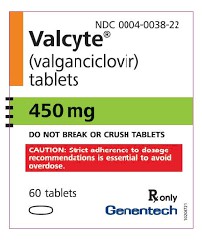
In terms of treatment plan design, valganciclovir can be used to develop induction or maintenance treatment plans based on the type of infection and patient risk. For patients with confirmed CMV infection, higher doses are usually used for induction therapy, usually twice a day orally, with a course of about 3 to 6 weeks; after symptoms are relieved and the viral load is reduced, the maintenance dose can be switched to once a day to prevent recurrence. In the prevention of organ transplantation, the recipient's CMV serological status (D+/R-, D -/R+etc.) and the intensity of immunosuppression, formulate a preventive medication plan ranging from 3 to 6 months.
In terms of clinical management and safety, the dose of valganciclovir needs to be adjusted based on the patient's renal function to reduce the risk of bone marrow suppression (such as neutropenia, anemia, thrombocytopenia) and liver and kidney toxicity. During the medication period, blood routine, liver and kidney function, and viral load should be monitored regularly, and digestive tract symptoms such as nausea and diarrhea should be paid attention to. For high-risk patients, a reasonable individualized medication regimen combined with close follow-up can not only effectively control CMV infection, but also minimize adverse drug reactions and achieve safe and efficient antiviral treatment.
Reference materials:https://www.drugs.com/
[ 免责声明 ] 本页面内容来自公开渠道(如FDA官网、Drugs官网、原研药厂官网等),仅供持有医疗专业资质的人员用于医学药学研究参考,不构成任何治疗建议或药品推荐。所涉药品可能未在中国大陆获批上市,不适用于中国境内销售和使用。如需治疗,请咨询正规医疗机构。本站不提供药品销售或代购服务。


