
.jpeg)
Precautions and common medication misunderstandings while taking Axitinib (Inlida)
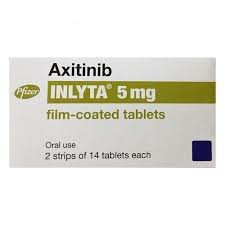
Axitinib (Axitinib ) is an oral small molecule tyrosine kinase inhibitor mainly used to treat advanced renal cell carcinoma. It blocks tumor angiogenesis by selectively inhibiting VEGFR-1, VEGFR-2 and VEGFR-3, thereby inhibiting tumor growth and metastasis. Due to differences in drug action mechanisms and individual tolerance, patients need to pay attention to many aspects during use to ensure efficacy and reduce adverse reactions.
First of all, medication regimen and dietary management are key. Axitinib should be taken orally at a fixed dose under the guidance of a doctor, twice a day, with meals or on an empty stomach, but should be maintained for a fixed time to maintain stable blood concentration. Patients should avoid taking antacids that are high in fat, calcium, or contain aluminum or magnesium at the same time, as these may affect drug absorption and reduce efficacy. At the same time, you should maintain adequate fluid intake during medication to prevent elevated blood pressure and dehydration.
Secondly, blood pressure and cardiovascular monitoring are very important. Common adverse reactions of axitinib include high blood pressure, palpitations, fatigue, etc. Patients should evaluate their blood pressure and cardiac function before taking the drug, and monitor it regularly while taking the drug. If blood pressure rises, antihypertensive measures should be taken promptly or drug dosage should be adjusted. In addition, you need to pay attention to changes in heart rate and proteinuria, and seek medical advice as soon as possible if abnormalities are found to reduce the risk of serious complications.
In addition, patients should also pay attention to common medication misunderstandings in their daily lives. Some patients mistakenly believe that they can reduce or discontinue the drug on their own when their symptoms are relieved, or they may change the dose when they experience slight discomfort, which may lead to a decrease in efficacy or progression of the disease. Some patients also use herbal medicines or health products without medical guidance, which may interact with axitinib and increase the risk of side effects. Therefore, medication should be strictly followed as prescribed by the doctor, followed by regular follow-up visits, combined with laboratory examinations and imaging evaluations, to achieve a safe and standardized individualized treatment plan.
Reference materials:https://www.drugs.com/
[ 免责声明 ] 本页面内容来自公开渠道(如FDA官网、Drugs官网、原研药厂官网等),仅供持有医疗专业资质的人员用于医学药学研究参考,不构成任何治疗建议或药品推荐。所涉药品可能未在中国大陆获批上市,不适用于中国境内销售和使用。如需治疗,请咨询正规医疗机构。本站不提供药品销售或代购服务。


