
.jpeg)
What are the side effects and treatment effects of Mitotane?
Mitotane(Mitotane) is one of the most unique systemic therapeutic drugs for adrenocortical carcinoma (ACC; adrenal cancer). Its unique pharmacological mechanism makes it globally regarded as one of the few oral treatment options with clear effects for this type of disease. Since adrenocortical cancer is a rare tumor with limited treatment options, mitotane can affect both adrenocortical cell activity and hormone metabolism, so it has become a basic drug in overseas guidelines. So, what are the side effects of mitotane? What is the effect of treatment? These questions have always been the focus of patient consultations.
From the perspective of the principle of action, mitotane affects the metabolic function of the adrenal cortex, gradually reducing the synthesis ability of cortisol and related steroid hormones. After long-term use, tumor activity decreases and hormone levels stabilize, making it of critical value in controlling the symptoms of adrenocortical cancer and delaying the progression of the disease. This kind of "metabolism-structural dual pathway" mechanism also determines that the therapeutic effect of mitotane is often gradual, rather than rapid changes in a short period of time.
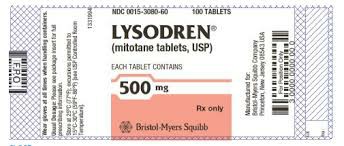
In application, the therapeutic effect of mitotane usually manifests itself in three levels: First, it is postoperative adjuvant therapy to reduce the risk of recurrence, which is the most commonly used situation in many international centers; second, it is used for patients who are inoperable or have distant metastasis, to delay tumor development through long-term homeostasis maintenance; third, it is to control hormone-related symptoms, such as metabolic abnormalities, weight changes, mood swings, etc. caused by excessive secretion of cortisol. In such patients, mitotane gradually reduces cortisol in the body, thereby improving overall functional status.
However, the therapeutic advantages of mitotane are also accompanied by certain side effects, the most commonly mentioned of which are gastrointestinal reactions and neurological symptoms. While taking mitotane, patients may experience decreased appetite, abdominal discomfort, or mild nausea. These symptoms are related to the drug's effects on fat-soluble metabolism and central regulation. In most cases, improvement can be achieved by adjusting the dose, taking it after meals, or adjunctive medication as recommended by your doctor. In addition, because mitotane enters adipose tissue and is slowly released, some patients may experience fatigue or decreased concentration, which usually diminishes after the drug reaches a stable concentration.
In terms of hormone-related side effects, the mechanism of action of mitotane determines that cortisol levels in the body may decrease over time, so patients often need to supplement exogenous hormones according to physician recommendations during treatment. Overseas guidelines generally emphasize that monitoring hormone levels and maintaining an appropriate range are key steps to ensure the effectiveness and safety of mitotane treatment. Otherwise, problems such as fatigue and blood pressure fluctuations caused by low cortisol may easily occur.
It is worth noting that the metabolic properties of mitotane make its drug effect last longer and it will remain in the body for a period of time after discontinuation of the drug. This is both an advantage and requires a more careful management strategy. Therefore, both dosage adjustment and side effect monitoring should be carried out under long-term follow-up by professional doctors.
Reference materials:https://go.drugbank.com/drugs/DB00648
[ 免责声明 ] 本页面内容来自公开渠道(如FDA官网、Drugs官网、原研药厂官网等),仅供持有医疗专业资质的人员用于医学药学研究参考,不构成任何治疗建议或药品推荐。所涉药品可能未在中国大陆获批上市,不适用于中国境内销售和使用。如需治疗,请咨询正规医疗机构。本站不提供药品销售或代购服务。


