
.jpeg)
When will Ivonib/Tosovo be included in medical insurance?
Although the original drug of Ivosidenib (Ivosidenib) has been marketed in China, it has not yet been included in the national medical insurance directory, making its drug burden still high, especially for patients with IDH1 mutation-related diseases (acute myeloid leukemia, cholangiocarcinoma) who require long-term treatment. Taking common specifications 0.25g × 60 tablets as an example, the market price is about 70,000 yuan per box, which makes it difficult for many families to afford long-term treatment costs. Therefore, the time of medical insurance coverage has become one of the issues that patients are most concerned about.
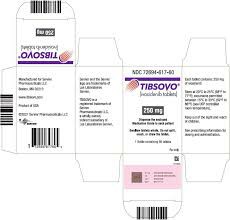
Judging from the overseas drug access path and the past domestic medical insurance negotiation rules, innovative targeted drugs usually need to go through several stages to enter medical insurance. The first is the accumulation of real-world data after marketing, including its efficacy, safety and economic analysis in domestic patients. Although ivonib has been recognized overseas, medical insurance pays more attention to local evidence, which means that its domestic application requires a certain period of clinical precipitation.
Secondly, medical insurance negotiations often give priority to targeted drugs with heavy disease burdens, limited clinical alternatives, and comparable international drug prices. Ivonib is a key treatment option for "gene mutation-driven diseases" in specific groups of people. In addition, there are few similar IDH-targeted drugs in China, so it has a greater possibility of entering medical insurance in the future. However, the medical insurance negotiation cycle is usually once a year, and whether to enter medical insurance needs to be comprehensively determined based on multiple factors such as corporate quotation strategies, cost-benefit ratios, and disease coverage groups.
Judging from policy trends, my country has accelerated the medical insurance access of innovative drugs in recent years. For example, many targeted drugs targeting rare mutations or low-incidence tumors have been included in the medical insurance catalog within a short period of time after being launched. Therefore, whether ivonib can enter medical insurance in the next two to three years mainly depends on whether the company participates in negotiations, its willingness to reduce prices in negotiations, and the extent of domestic clinical data accumulation. There is currently no clear official timetable, but judging from the trends, the prospects for its inclusion in medical insurance are positive.
Reference: https://www.tibsovo.com/
[ 免责声明 ] 本页面内容来自公开渠道(如FDA官网、Drugs官网、原研药厂官网等),仅供持有医疗专业资质的人员用于医学药学研究参考,不构成任何治疗建议或药品推荐。所涉药品可能未在中国大陆获批上市,不适用于中国境内销售和使用。如需治疗,请咨询正规医疗机构。本站不提供药品销售或代购服务。


