
.jpeg)
Elacestrant dosage and usage standards and dose adjustment plans for different patients
Elacestrant is a selective estrogen receptor degrader (SERD) mainly used to treat postmenopausal women or adult men whose disease has progressed despite at least one previous endocrine therapy. Its indications are specifically for patients with advanced or metastatic breast cancer who are estrogen receptor-positive (ER+) and human epidermal growth factor receptor 2-negative (HER2-). For patients with ESR1 gene mutation expression in tumor cells, the efficacy of elastran is more significant. This is because ESR1 mutations often lead to resistance to traditional endocrine therapy, and elastran can inhibit tumor cell proliferation and metastasis by directly degrading abnormal estrogen receptors, thereby delaying disease progression.
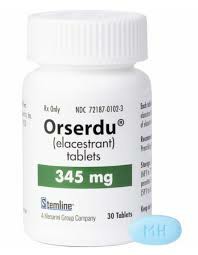
In terms of usage and dosage, elastran is recommended to be 345mg once a day, preferably with a meal. Taking it with food can improve the absorption efficiency of the drug and make the blood drug concentration more stable, thereby ensuring the therapeutic effect. The drug should be used continuously until the disease progresses or unacceptable toxicity occurs. Random discontinuation of the drug or adjustment of the dose without authorization may reduce the efficacy and increase the risk of tumor recurrence. When taking the medicine, the tablet should be swallowed whole and should not be chewed, crushed or taken separately to avoid affecting drug release and absorption.
For different patient groups, the dose of elastran can be adjusted according to individual conditions. Patients with impaired liver or kidney function should use it under the guidance of a doctor, and the dose can be reduced if necessary. For example, patients with moderate hepatic impairment may need to reduce their dose by half while closely monitoring liver enzymes and plasma concentrations. For elderly patients or patients with multiple chronic diseases, it is necessary to comprehensively evaluate cardiovascular function, liver and kidney function, and concomitant medications, and reasonably arrange medication time and dosage. In addition, when used in combination with CYP3A4 inhibitors or inducers, the dose should be adjusted based on blood concentration and efficacy to ensure that the drug is both safe and effective.
In terms of medication safety monitoring, patients need to regularly review blood indicators, including liver function, kidney function, blood routine and electrolyte levels. Regular imaging examinations (such as CT, MRI) is also an important means of evaluating efficacy. Common adverse reactions include nausea, fatigue, joint pain, hot flashes, elevated blood lipids, etc. Most are mild to moderate and can be alleviated through symptomatic treatment or lifestyle adjustments. When serious side effects or intolerable symptoms occur, you should contact your doctor immediately and suspend or reduce medication if necessary.
In addition, patients should maintain a healthy lifestyle during medication, including a balanced diet, moderate exercise, adequate rest, and avoiding bad habits such as tobacco and alcohol. At the same time, avoid using other drugs or health products on your own, especially Chinese herbal medicines or dietary supplements that affect liver metabolism, to avoid drug interactions. Patients and their families should be familiar with the precautions in the drug instructions, clarify the purpose of taking the drug, efficacy indicators and side effects treatment methods, and cooperate with doctors for long-term management.
In general, elastran, as a selective estrogen receptor degrader for ER+ and HER2- advanced breast cancer, can provide a new treatment option for patients who are resistant to previous endocrine therapy. Through reasonable drug dosage, continuous treatment and scientific monitoring, disease progression can be effectively delayed and quality of life improved. For special groups and patients taking concomitant medications, following doctor's guidance for dose adjustment and safety monitoring is the key to ensuring efficacy and reducing risks. In the future, with the accumulation of clinical experience, elastran is expected to play an important role in a wider group of breast cancer patients.
Reference materials:https://www.drugs.com/
[ 免责声明 ] 本页面内容来自公开渠道(如FDA官网、Drugs官网、原研药厂官网等),仅供持有医疗专业资质的人员用于医学药学研究参考,不构成任何治疗建议或药品推荐。所涉药品可能未在中国大陆获批上市,不适用于中国境内销售和使用。如需治疗,请咨询正规医疗机构。本站不提供药品销售或代购服务。


