
.jpeg)
What is the clinical efficacy of Febuxostat (Febuxostat) and summary of patient medication feedback
Febuxostat (Febuxostat) is an oral selective xanthine oxidase inhibitor mainly used to treat hyperuricemia and gout. Since its launch, it has received widespread clinical attention due to its strong uric acid-lowering effect, convenient medication, and relatively friendly effects on kidney function. This article will conduct a comprehensive analysis from the aspects of clinical efficacy, indications, patient feedback and application experience to help patients and medical staff better understand the clinical value of febuxostat.
First, febuxostat is significantly effective in reducing blood uric acid levels. Multiple clinical studies have shown that febuxostat can reduce the serum uric acid concentration to <6 mg/dL at a starting dose of 40mg to 80mg once a day, reaching the target level for gout prevention. Compared with the traditional drug allopurinol (Allopurinol), febuxostat shows stronger uric acid-lowering ability in some patients, especially for patients with allopurinol intolerance or renal insufficiency. In addition, febuxostat takes effect quickly, and some patients can observe a significant decrease in serum uric acid within 2 to 4 weeks of taking the drug, thus reducing the frequency of acute gout attacks.
In terms of clinical indications, febuxostat is suitable for long-term maintenance treatment of gout patients and management of patients with hyperuricemia. Febuxostat offers a safe alternative for patients with chronic kidney disease or poor tolerance to allopurinol. The instructions suggest that the initial dose is 40mg once a day, which can be adjusted to 80mg once a day based on blood uric acid levels and tolerance. The maximum dose should not exceed 80mg. Patients should regularly monitor blood uric acid, liver and kidney function, and blood routine during medication to ensure medication safety. Some studies have also pointed out that febuxostat has certain potential benefits in reducing the formation of uric acid crystals and improving joint damage, which can reduce the risk of long-term damage in gouty arthritis.
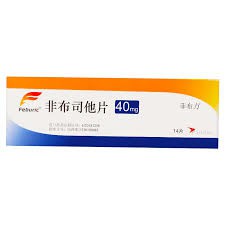
In terms of patient feedback, most patients have a positive experience with febuxostat. Users generally report that the once-daily oral administration of febuxostat is more convenient than the multiple-dose regimen of allopurinol, and the incidence of adverse reactions is relatively low. Common side effects include mild gastrointestinal upset, headache, joint pain, or mild rash, most of which gradually resolve with continued medication. A small number of patients have reported mild elevations in liver function indicators and require regular monitoring under the guidance of a doctor. Clinicians also pointed out that reasonable adjustment of dosage and regular medication are the key to patients obtaining the best therapeutic effect. At the same time, combined with a low-purine diet and adequate water intake, it can help further control blood uric acid levels and reduce gout attacks.
However, some patients experience fluctuations in efficacy or acute attacks of gout after long-term use of febuxostat. Research shows that this is mostly related to patients’ fluctuations in blood uric acid levels in the early stages of medication, failure to adjust the dose as directed by the doctor, or accompanying a high-purine diet. Therefore, when doctors prescribe febuxostat, they usually emphasize individualized medication plans, gradually adjust the dosage to maintain the target blood uric acid value, and guide patients to eat properly, control their weight, and maintain good living habits. In addition, patients with cardiovascular risks should be evaluated before using febuxostat, because some studies have suggested that febuxostat may be associated with the risk of cardiovascular events, and the pros and cons need to be weighed under physician supervision.
Overall, febuxostat is clinically an effective urate-lowering drug, especially suitable for patients who are intolerant to allopurinol or have renal insufficiency. Its oral convenience, rapid onset of action and good tolerability give it significant advantages in the long-term management of gout and hyperuricemia. Patient feedback shows that most people are satisfied with the efficacy and the side effects are controllable, but they still need to follow the doctor's instructions for dose adjustment and regular monitoring. Based on clinical research and actual medication experience, febuxostat can provide long-term blood uric acid control solutions for gout patients, help reduce acute attacks, improve quality of life, and play an important role in individualized treatment.
Reference materials:https://www.drugs.com/
[ 免责声明 ] 本页面内容来自公开渠道(如FDA官网、Drugs官网、原研药厂官网等),仅供持有医疗专业资质的人员用于医学药学研究参考,不构成任何治疗建议或药品推荐。所涉药品可能未在中国大陆获批上市,不适用于中国境内销售和使用。如需治疗,请咨询正规医疗机构。本站不提供药品销售或代购服务。


