
.jpeg)
The anti-cytomegalovirus mechanism of maribabavir/yitazhi
Maribavir (Maribavir) is unique in its innovative antiviral mechanism. Unlike traditional anti-cytomegalovirus drugs that mainly target DNA polymerase, maribavir has chosen another key target—the pUL97 protein kinase of cytomegalovirus (CMV). The breakthrough of this mechanism is that it can block multiple core steps of the virus life cycle, preventing the virus from maturing and spreading, thereby effectively inhibiting virus replication.
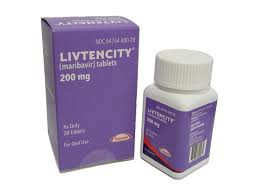
Cytomegalovirus (CMV) is commonly seen in hematopoietic stem cell transplant and organ transplant patients who are at high risk for CMV reactivation due to long-term use of immunosuppressants. Once the virus replicates out of control, it may lead to hepatitis, pneumonia, gastrointestinal damage, and even endanger the survival of transplanted organs. Therefore, drugs that affect key replication nodes of the virus are particularly important in such patients.
The main mechanism of action of maribavivir is to competitively inhibit the pUL97 kinase, so that even if the virus replicates, it can only produce immature viruses with "no infection ability". In addition, maribabavir can also inhibit the phosphorylation of lamin A/C mediated by pUL97 , thereby blocking the release of virions from the nucleus to the cytoplasm, further cutting off the virus diffusion chain. While the contribution of this mechanism to the overall antiviral effect is still under investigation, it allows the drug to act suppressively at multiple key points in the virus' life cycle.
One of the biggest advantages brought by the pUL97 inhibition mechanism is that it is less likely to cause myelosuppression. This is particularly critical for patients with fragile blood profiles after transplantation, because they are often unable to continue taking drugs such as ganciclovir due to bone marrow suppression. Maribavir offers a safer treatment pathway in such patients. Because of this, it is widely used for " CMV infections that are resistant to drug resistance or treatment failure."
As research continues to deepen, maribabavir is regarded as an important link between traditional antiviral drugs and new targeted drugs, not only providing a new way to suppress viruses, but also providing higher treatment flexibility for complex transplant patient groups.
Reference materials: https://www.livtencity.com/
[ 免责声明 ] 本页面内容来自公开渠道(如FDA官网、Drugs官网、原研药厂官网等),仅供持有医疗专业资质的人员用于医学药学研究参考,不构成任何治疗建议或药品推荐。所涉药品可能未在中国大陆获批上市,不适用于中国境内销售和使用。如需治疗,请咨询正规医疗机构。本站不提供药品销售或代购服务。


