
.jpeg)
Erlotinib/Tarceva is an anti-cancer drug developed over several generations
Erlotinib (Erlotinib) is classified as a first-generation EGFR tyrosine kinase inhibitor (first-generation EGFR-TKI) and is one of the first drugs in the world to enter the mainstream system of targeted treatment for non-small cell lung cancer. In the history of EGFR targeted therapy, it has played a key role in the transition from the "traditional chemotherapy era" to the "precision genotyping era", laying the foundation for the subsequent second- and third-generation EGFR drug development.
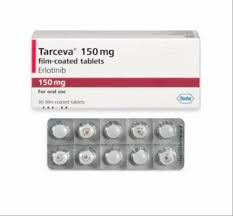
As a first-generation EGFR-TKI, the core feature of erlotinib is to reversibly inhibit the tyrosine kinase activity of the EGFR receptor, thereby blocking the abnormal growth and division of cancer cells that rely on the EGFR pathway. Its research and development concept reflects the early exploration of "specific gene drive mechanisms" by targeted drugs, allowing scientific research to clarify for the first time that EGFR mutations are a type of clinical factor with therapeutic value. Therefore, erlotinib is not only a drug, but also one of the starting points for the rapid development of precision cancer medicine.
With the development of precision medicine, second- and third-generation EGFR-TKI have been launched one after another. They have been upgraded in terms of mutation coverage, selectivity, safety, and resistance mutation suppression. However, the first-generation drugs still have their unique clinical value. Because erlotinib has a stable inhibitory effect on classic EGFR activating mutations, it is still recommended as an important treatment option for some people, especially for people with limited medical resources or who require long-term management. It has a cost-effective advantage.
International guidelines also point out that erlotinib can still provide stable clinical benefit in certain circumstances, including those who cannot use later generations of drugs, special patient groups who are intolerant to the drug, and strategies that require combination with other treatment modalities. For example, combination with anti-angiogenic regimens makes it valuable even in partially drug-resistant settings.
In summary, erlotinib is a typical first-generation EGFR targeted drug. However, its role is not completely replaced by new drugs. Instead, it co-constructs a multi-line treatment system with subsequent drugs. From genotyping methods to drug resistance monitoring strategies, it has profoundly affected the development of modern precision treatment of lung cancer.
References: https://en.wikipedia.org/wiki/Erlotinib
[ 免责声明 ] 本页面内容来自公开渠道(如FDA官网、Drugs官网、原研药厂官网等),仅供持有医疗专业资质的人员用于医学药学研究参考,不构成任何治疗建议或药品推荐。所涉药品可能未在中国大陆获批上市,不适用于中国境内销售和使用。如需治疗,请咨询正规医疗机构。本站不提供药品销售或代购服务。


