
.jpeg)
Does Mitotane need to be taken long-term?
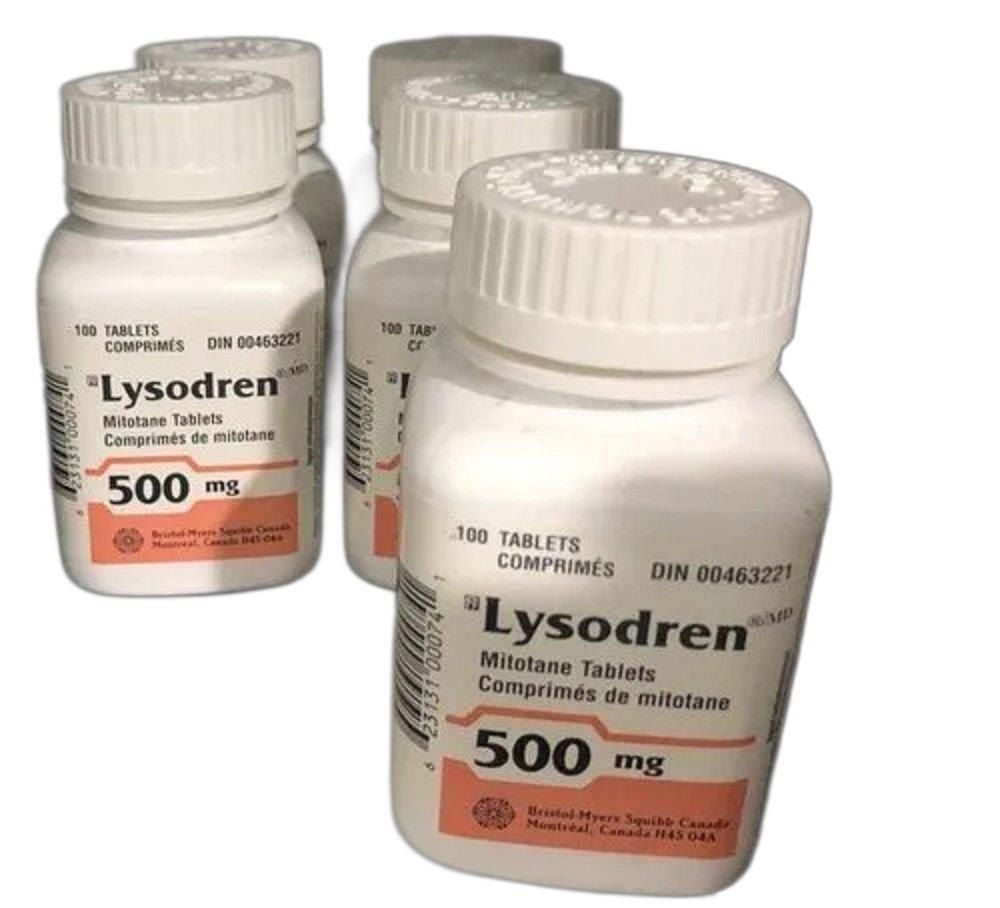
Mitotane (Mitotane) is a cytotoxic drug specifically used to treat adrenocortical cancer (ACC; Adrenal Cancer) . Its mechanism is to destroy the mitochondrial function of adrenocortical cells, inhibit the production of steroid hormones, and ultimately lead to atrophy or necrosis of the adrenal cortex, thereby reducing excessive secretion of hormones and inhibiting cancer cells.
Regarding whether long-term use is required, current international clinical practice guidelines and literature are relatively cautious. First, treatment usually starts at a lower dose and is gradually increased to the individual's maximum tolerated dose in order to achieve and maintain an appropriate blood concentration, which is an important prerequisite for ensuring therapeutic efficacy. However, the industry has not reached a consensus on the "standard treatment duration"; adjuvant treatment is recommended to last 1-2 years in some cases, and may be extended to about 3 years in some stage IV cases to cover the stage with the highest risk of tumor recurrence.
If the patient tolerates the drug well, the blood drug concentration is maintained within the therapeutic window, and there are no intolerable toxic side effects, long-term single-drug maintenance therapy is feasible in some clinical practices.
However, long-term use is not necessary or appropriate for all patients. First, because mitotane has a destructive effect on the adrenal cortex, patients require concurrent glucocorticoid supplementation to prevent adrenal insufficiency. Secondly, long-term use is associated with adverse reactions and safety issues, such as gastrointestinal symptoms, central nervous system toxicity, risks related to hormone deficiency, etc.
Therefore, whether to take it for a long time needs to be decided based on the specific situation of the patient - including whether the tumor is removed, whether there is metastasis, risk of recurrence, tolerance, blood concentration monitoring results, whether hormone supplementation can be safely done, etc. For ACC patients who are inoperable or have metastasized/recurred, long-term maintenance therapy may be an important means to delay progression and control hormone levels; however, if the patient's tumor has been removed and the risk of recurrence is low, the necessity and benefits of long-term single-drug maintenance are still a clinical controversy.
References: https://go.drugbank.com/drugs/DB00648
[ 免责声明 ] 本页面内容来自公开渠道(如FDA官网、Drugs官网、原研药厂官网等),仅供持有医疗专业资质的人员用于医学药学研究参考,不构成任何治疗建议或药品推荐。所涉药品可能未在中国大陆获批上市,不适用于中国境内销售和使用。如需治疗,请咨询正规医疗机构。本站不提供药品销售或代购服务。


