
.jpeg)
What is the main difference between zotuximab/veluoximab and ixazomib?
Zolbetuximab (zolbetuximab) and ixazomib (Ixazomib) are two drugs that play an important role in cancer treatment, but their mechanisms of action, therapeutic areas, and indications are significantly different. Although both drugs are used in the treatment of cancer, their pharmacological effects and clinical applications are different. The main differences between these two drugs are discussed below.
Zolbetuximab (Zolbetuximab) is a new type of targeted anti-cancer drug that belongs to the monoclonal antibody class. Its main function is to inhibit the proliferation and spread of cancer cells by targeting specific cancer cell receptors. The main molecule targeted by zotuximab is the Clark factor receptor (CLCNF), a receptor that is often highly expressed on the surface of certain cancer cells. On cancer cells, activation of CLCNF receptors is closely related to the occurrence, development and metastasis of cancer. Therefore, zotuximab inhibits the growth of cancer cells by binding to these receptors and preventing their activation.
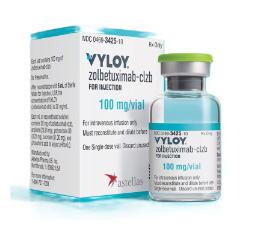
Zotuximab is currently approved for the treatment of digestive system malignancies such as gastric cancer. Its innovation lies in its targeting of specific receptors, which can precisely act on cancer cells and reduce damage to normal cells. This precise treatment helps improve the effectiveness of treatment while reducing side effects. Due to the specificity of its mechanism of action, zotuximab shows significant potential in the treatment of patients with cancers that are refractory to conventional treatments.
In contrast, ixazomib (Ixazomib) is an oral proteasome inhibitor. It inhibits the proteasome activity in cancer cells, leading to the accumulation of proteins in cancer cells, and ultimately promotes cancer cell death. The proteasome is an important complex that breaks down proteins in cells. Inhibiting its function can lead to abnormal function of cancer cells and accelerate cell apoptosis. Ixazomib is primarily used to treat multiple myeloma, a malignant tumor that affects the bone marrow. During treatment, ixazomib inhibits the proliferation of myeloma cells and improves patient survival by inhibiting the activity of the proteasome.
Although zotuximab and ixazomib are both drugs used to treat cancer, their therapeutic areas and mechanisms of action are completely different. Zotuximab is mainly used for digestive system cancers, such as gastric cancer, and it targets specific cancer cell receptors and inhibits cancer cell growth mainly by preventing receptor activation. In contrast, ixazomib is mainly used in hematological cancers, especially multiple myeloma, and its mechanism of action is to inhibit the function of the proteasome, leading to cancer cell death.
From the perspective of clinical application, the advantage of zotuximab lies in its targeted treatment of digestive system tumors, especially for those patients who have poor response to traditional treatments, providing a new treatment option. As an oral drug, ixazomib provides a convenient treatment method for multiple myeloma patients, allowing patients to avoid frequent injection treatments and improve their quality of life.
In terms of side effects, the side effects of zotuximab are relatively mild, mainly including immune-related adverse reactions, such as allergic reactions, rashes, etc. Ixazomib may cause more obvious side effects, especially those related to proteasome inhibition, such as bone marrow suppression, peripheral neuropathy, etc. These side effects may affect the patient's blood system and nervous system.
Reference: https://www.astellas.com/en/news/29401
[ 免责声明 ] 本页面内容来自公开渠道(如FDA官网、Drugs官网、原研药厂官网等),仅供持有医疗专业资质的人员用于医学药学研究参考,不构成任何治疗建议或药品推荐。所涉药品可能未在中国大陆获批上市,不适用于中国境内销售和使用。如需治疗,请咨询正规医疗机构。本站不提供药品销售或代购服务。


