
.jpeg)
Whether ixazomib (Enleri) needs to be combined with other drug treatments and protocol recommendations
Ixazomib (Ixazomib) is an orally available proteasome inhibitor, a second-generation borate ester anti-tumor drug, mainly used to treat multiple myeloma (Multiple Myeloma, MM). Its mechanism of action is to induce tumor cell apoptosis by inhibiting the activity of the β5 subunit of the 26S proteasome, blocking abnormal protein degradation pathways. Unlike the early bortezomib (Bortezomib), ixazomib has the advantages of oral administration, relatively low toxicity, and milder neurotoxicity, so it has become one of the important components of maintenance therapy and combination therapy. However, the efficacy of a single drug is limited, so clinical treatment usually requires combination with other drugs.
In clinical practice, ixazomib is most commonly used in combination with lenalidomide (Lenalidomide) and dexamethasone (Dexamethasone), forming the classic "IRd regimen." This regimen has been recommended by multiple international guidelines (such as NCCN, EHA) as a first-line treatment option for relapsed or refractory multiple myeloma. Studies have shown that compared with lenalidomide and dexamethasone alone, the IRd regimen significantly prolongs the progression-free survival (PFS) of patients, which can be extended by more than 20 months in some patients, and the overall response rate is also significantly improved. In addition, for patients who are receiving maintenance therapy for the first time or who cannot tolerate intravenous administration, the oral IRd regimen is widely used due to its high compliance and convenience.
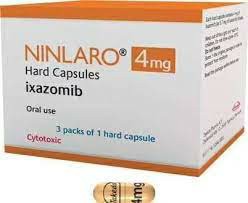
For elderly patients or patients with other diseases, doctors may adjust the dose to reduce the risk of adverse reactions. If lenalidomide is intolerant or contraindicated in some patients, combined use with prednisone, cyclophosphamide, or daratumumab (Daratumumab) may be considered. Studies have shown that the combination of ixazomib and monoclonal antibodies can further enhance anti-tumor activity, but myelosuppression and infection risks need to be closely monitored. In addition, ixazomib is often used in maintenance therapy to delay disease recurrence in patients receiving hematopoietic stem cell transplantation. Doctors will develop an individualized combination plan based on the patient's condition, age, tolerance and previous treatment history.
During combined treatment with ixazomib, blood levels, liver and kidney functions, and peripheral nerve conditions should be monitored regularly so that the dose can be adjusted or discontinued in a timely manner. Patients should take the medicine on an empty stomach 1 hours on the day of taking the medicine, and avoid taking strong CYP3A at the same timeInducers (such as rifampicin, carbamazepine, etc.) to avoid affecting the blood concentration of the drug. The key to combination therapy is to balance efficacy and toxicity. If there are obvious gastrointestinal reactions, rash or platelet drop, you should report it to your doctor in time. Overall, the ixazomib combination regimen has been proven to be effective and controllable in the treatment of multiple myeloma. It is an important treatment strategy for long-term disease control and prolonged survival.
Reference materials:https://www.drugs.com/
[ 免责声明 ] 本页面内容来自公开渠道(如FDA官网、Drugs官网、原研药厂官网等),仅供持有医疗专业资质的人员用于医学药学研究参考,不构成任何治疗建议或药品推荐。所涉药品可能未在中国大陆获批上市,不适用于中国境内销售和使用。如需治疗,请咨询正规医疗机构。本站不提供药品销售或代购服务。


