
.jpeg)
Contraindications and precautions for taking Lynparza (Lipdrox) together with other drugs
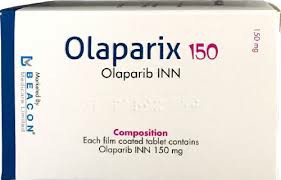
Olaparib is an oral PARP inhibitor, mainly used for targeted therapy in patients with BRCA gene mutation-positive ovarian cancer, breast cancer, prostate cancer and some pancreatic cancer. It inhibits the activity of poly ADP ribose polymerase (PARP) and prevents the repair of DNA single-strand breaks, thereby inducing the accumulation of DNA double-strand breaks in tumor cells, ultimately leading to tumor cell death. Although olaparib has shown significant clinical efficacy, there is a potential risk of drug interactions when used in combination or with multiple drugs. Therefore, understanding its co-administration contraindications and precautions is crucial to ensure safety and efficacy.
First, extreme caution is required when coadministering olaparib with strong CYP3A inhibitors. Lynparza is mainly metabolized by CYP3A. If used simultaneously with strong CYP3A inhibitors such as clarithromycin, ketoconazole, and itraconazole, the plasma concentration may increase significantly, increasing the risk of adverse reactions, such as severe nausea, vomiting, anemia, and thrombocytopenia. For such patients, it is usually clinically recommended to reduce the dose of olaparib, closely monitor hematological indicators and liver function during the initial period of medication, and gradually adjust the dose according to the patient's tolerance.
In addition, when olaparib is combined with anticoagulants or antiplatelet drugs, the risk of bleeding needs to be alerted. Warfarin, aspirin or clopidogrel commonly used in clinical practice may increase the probability of bleeding, especially when platelets are lower than the safe range. Therefore, doctors usually adjust the dosage according to the patient's coagulation function and platelet level, temporarily stop antiplatelet drugs if necessary, and regularly monitor bleeding symptoms.
In patients with abnormal liver and renal function, caution should be exercised when taking olaparib with other drugs. In patients with moderate to severe liver damage or severe renal insufficiency, drug metabolism and excretion capabilities are reduced, and blood drug concentrations are likely to increase, thereby increasing the incidence of adverse reactions. Therefore, before using olaparib in such patients, liver and kidney function should be fully evaluated, the dose should be adjusted if necessary, and hematological and biochemical index follow-up should be performed.
Lifestyle and over-the-counter medications also need attention. Patients should avoid taking health products containing St. John's wort at the same time because it has a CYP3A-inducing effect and can reduce the efficacy of Lynparza. At the same time, it is recommended to avoid drinking alcohol or high-intensity exercise to reduce the additional burden on the liver and blood system. Patients should strictly follow the doctor's instructions during medication and do not adjust the dosage or stop medication on their own.
In general, there are many potential risks when olaparib is taken together with drugs during clinical use, including CYP3A inhibitors and inducers, myelosuppressive drugs, anticoagulant and antiplatelet drugs, and certain health products. Scientific evaluation of the patient's medication history, liver and kidney function and hematological indicators, reasonable dosage adjustment, and regular follow-up and monitoring are important measures to ensure the safety and effectiveness of Lynparza. By following these precautions, the anti-tumor efficacy of Lynparza can be maximized while reducing the risk of adverse reactions, providing safer and more personalized treatment options for patients with BRCA mutation-related tumors.
Reference: https://www.drugs.com/
First, extreme caution is required when coadministering olaparib with strong CYP3A inhibitors. Lynparza is mainly metabolized by CYP3A. If used simultaneously with strong CYP3A inhibitors such as clarithromycin, ketoconazole, and itraconazole, the plasma concentration may increase significantly, increasing the risk of adverse reactions, such as severe nausea, vomiting, anemia, and thrombocytopenia. For such patients, it is usually clinically recommended to reduce the dose of olaparib, closely monitor hematological indicators and liver function during the initial period of medication, and gradually adjust the dose according to the patient's tolerance.
Secondly, taking olaparib together with CYP3A inducers may lead to a decrease in efficacy. Drugs such as rifampicin, carbamazepine, phenytoin, etc. can accelerate the metabolism of olaparib and reduce the blood concentration, thereby reducing the anti-tumor effect. In clinical practice, if patients must use CYP3A inducers, they should consider adjusting the dose of olaparib or choosing alternative drugs if possible, and closely monitor tumor marker levels and clinical responses to ensure that efficacy is not affected.
In addition, when olaparib is combined with anticoagulants or antiplatelet drugs, the risk of bleeding needs to be alerted. Warfarin, aspirin or clopidogrel commonly used in clinical practice may increase the probability of bleeding, especially when platelets are lower than the safe range. Therefore, doctors usually adjust the dosage according to the patient's coagulation function and platelet level, temporarily stop antiplatelet drugs if necessary, and regularly monitor bleeding symptoms.
In patients with abnormal liver and renal function, caution should be exercised when taking olaparib with other drugs. In patients with moderate to severe liver damage or severe renal insufficiency, drug metabolism and excretion capabilities are reduced, and blood drug concentrations are likely to increase, thereby increasing the incidence of adverse reactions. Therefore, before using olaparib in such patients, liver and kidney function should be fully evaluated, the dose should be adjusted if necessary, and hematological and biochemical index follow-up should be performed.
Lifestyle and over-the-counter medications also need attention. Patients should avoid taking health products containing St. John's wort at the same time because it has a CYP3A-inducing effect and can reduce the efficacy of Lynparza. At the same time, it is recommended to avoid drinking alcohol or high-intensity exercise to reduce the additional burden on the liver and blood system. Patients should strictly follow the doctor's instructions during medication and do not adjust the dosage or stop medication on their own.
In general, there are many potential risks when olaparib is taken together with drugs during clinical use, including CYP3A inhibitors and inducers, myelosuppressive drugs, anticoagulant and antiplatelet drugs, and certain health products. Scientific evaluation of the patient's medication history, liver and kidney function and hematological indicators, reasonable dosage adjustment, and regular follow-up and monitoring are important measures to ensure the safety and effectiveness of Lynparza. By following these precautions, the anti-tumor efficacy of Lynparza can be maximized while reducing the risk of adverse reactions, providing safer and more personalized treatment options for patients with BRCA mutation-related tumors.
Reference: https://www.drugs.com/
[ 免责声明 ] 本页面内容来自公开渠道(如FDA官网、Drugs官网、原研药厂官网等),仅供持有医疗专业资质的人员用于医学药学研究参考,不构成任何治疗建议或药品推荐。所涉药品可能未在中国大陆获批上市,不适用于中国境内销售和使用。如需治疗,请咨询正规医疗机构。本站不提供药品销售或代购服务。


